New York City is embroiled in a fierce debate over a bill to phase out Central Park's historic horse-drawn carriages by 2028. The controversy intensified following the fatal injury of a tourist, Romanch Mahajan, leading to the proposed 'Romanch's Law' and pitting animal rights activists against carriage drivers and their union.
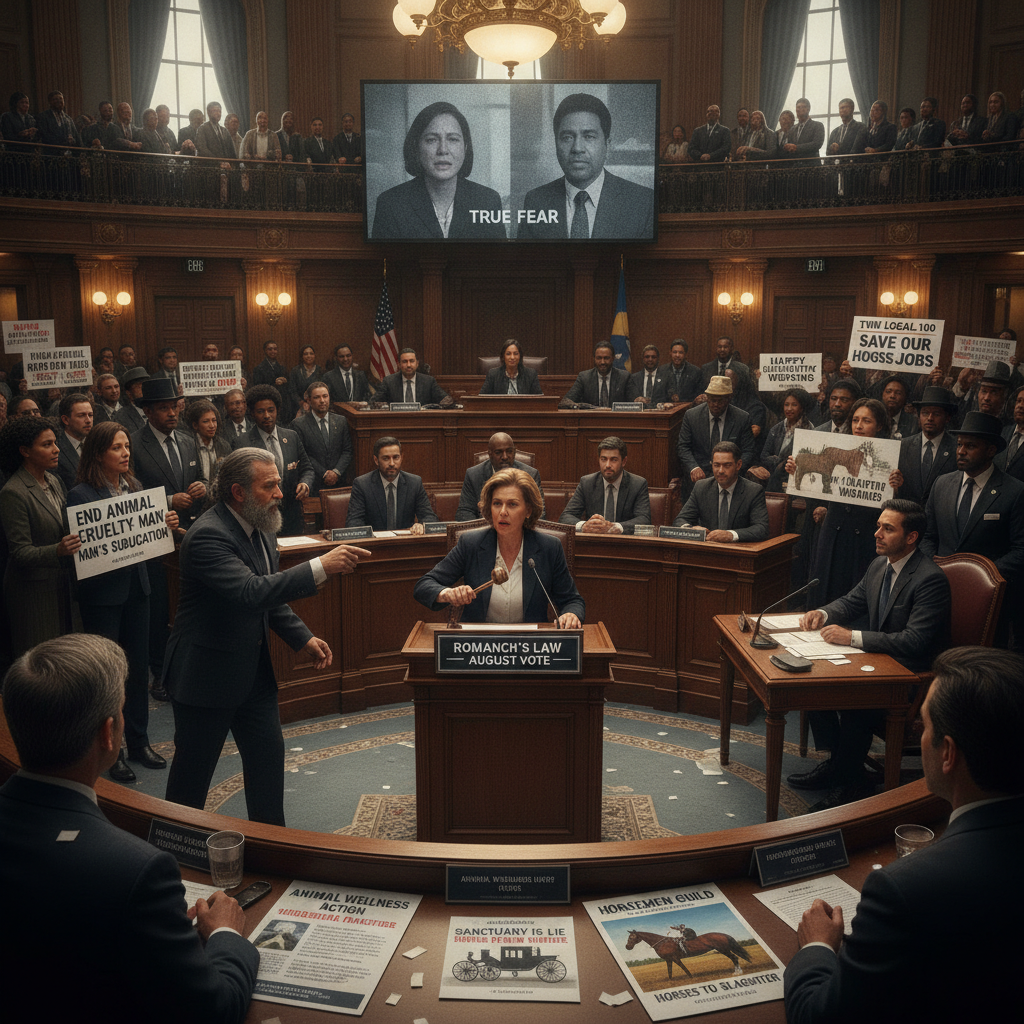
New York City's council chamber recently hosted a heated debate concerning a bill to phase out Central Park's iconic horse-drawn carriages by June 2028. The long-simmering issue gained significant traction after 18-year-old tourist Romanch Mahajan was fatally injured when he fell from a carriage after its horse spooked. His family testified via Zoom, describing the 'true fear' inside the carriage, leading to the bill being renamed 'Romanch's Law' and scheduled for an August vote, with Council Speaker Julie Menin now supporting the ban. The debate pits animal rights advocates, including actor Edie Falco, who argue the industry represents 'man’s broad subjugation of animals' and cite inhumane living conditions and incidents like a horse dying from toxic plants, against stable hands, drivers, and the Transport Workers Union (TWU Local 100). The industry, operating since 1858, maintains that horses are 'happiest and healthiest when working,' that the practice provides livelihoods for immigrant workers, and that the proposed 'workforce development program' is insufficient. They also point to higher accident rates in other city transport methods and accuse activists of harassment and real estate interests eyeing their stable land. While Mayor Zohran Mamdani supports the bill's 'spirit,' he voices concerns about drivers losing income. Proponents of the ban, like Animal Wellness Action, call the industry a 'vestigial practice with no practical value' and claim offers for electric carriage replacements have been rebuffed. Drivers, however, fear that without work, their horses, many of which are working quarter horses from Amish settlements, would face slaughter, rejecting activist claims of sanctuary networks. The controversy highlights a clash between tradition, animal welfare, worker rights, and urban development in one of the city's most recognizable attractions.