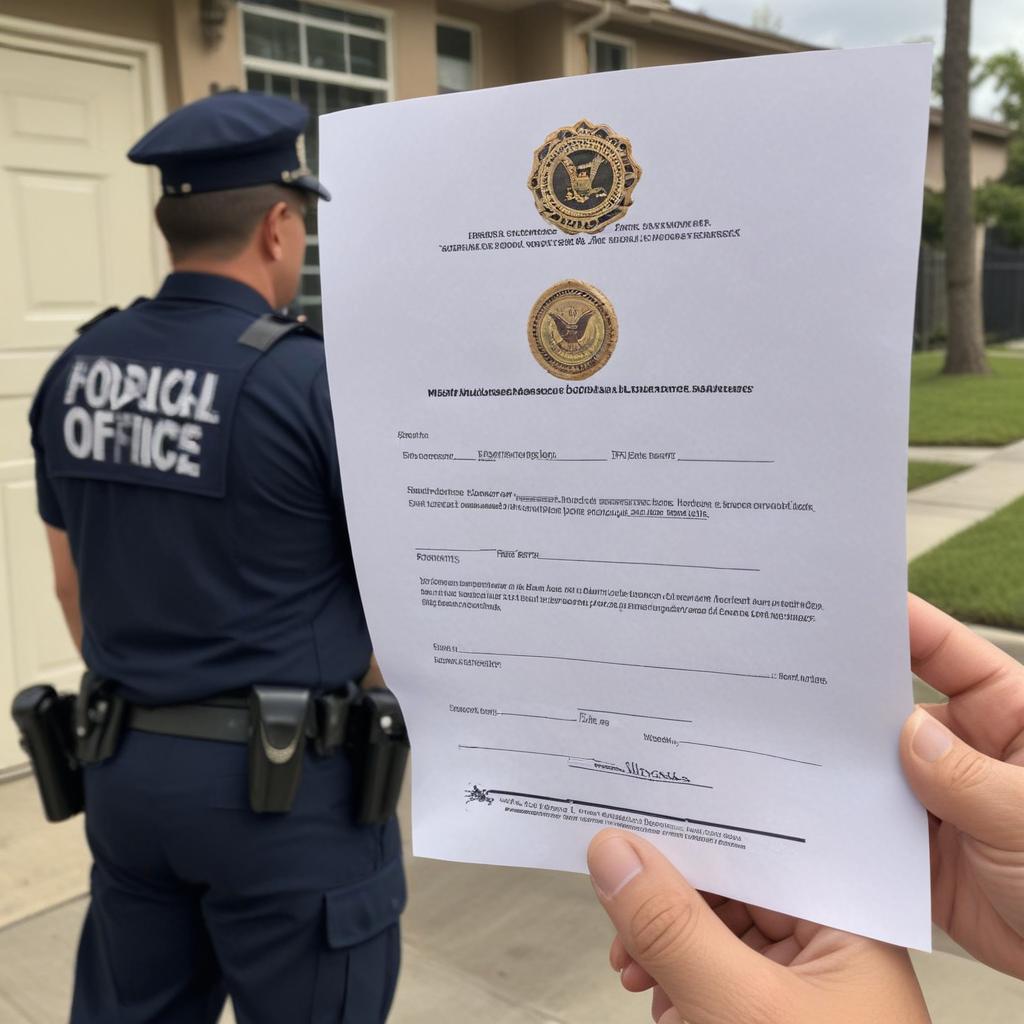
An internal ICE memo and whistleblower complaint reveal a controversial new policy authorizing federal immigration officers to forcibly enter people's homes using only administrative warrants, bypassing judicial approval and potentially violating Fourth Amendment rights.
Federal immigration officers are asserting a sweeping new power to forcibly enter private homes without a judge's warrant, relying instead on narrower administrative warrants to arrest individuals with final orders of removal. This controversial shift, detailed in an internal Immigration and Customs Enforcement (ICE) memo dated May 12, 2025, and obtained by The Associated Press along with a whistleblower complaint, marks a sharp reversal of longstanding guidance rooted in Fourth Amendment protections. For years, immigrant advocates advised people not to open their doors to immigration agents without a judge-signed warrant, a stance supported by Supreme Court rulings. The new directive directly undercuts this advice, coinciding with the Trump administration's expanded immigration arrests. The memo, signed by acting ICE director Todd Lyons, states that the DHS Office of the General Counsel determined that the Constitution and immigration laws do not prohibit relying solely on administrative warrants for this purpose. However, the determination's legal basis is not detailed. DHS spokeswoman Tricia McLaughlin stated that individuals with administrative warrants have received 'full due process' and officers found probable cause. The memo, not widely shared internally, is reportedly being used to train new ICE officers, contradicting existing written training materials. The Associated Press witnessed ICE officers ramming the door of a Liberian man's Minneapolis home with only an administrative warrant on January 11. Whistleblower Aid, representing anonymous government officials, calls the policy 'secretive and seemingly unconstitutional,' warning it's a 'complete break from the law.' The memo specifies officers must knock, identify themselves, state their purpose, operate between 6 a.m. and 10 p.m., and allow a 'reasonable chance to act lawfully' before using 'necessary and reasonable amount of force' to enter.