Records unsealed by a magistrate judge reveal the constitutional debate surrounding the search of Rep. Ilhan Omar's home, showing the judge insisted on protecting her privacy rights as a Congress member under the 'speech or debate clause' despite initial government objections. The documents, however, do not disclose new details about the underlying immigration fraud investigation.
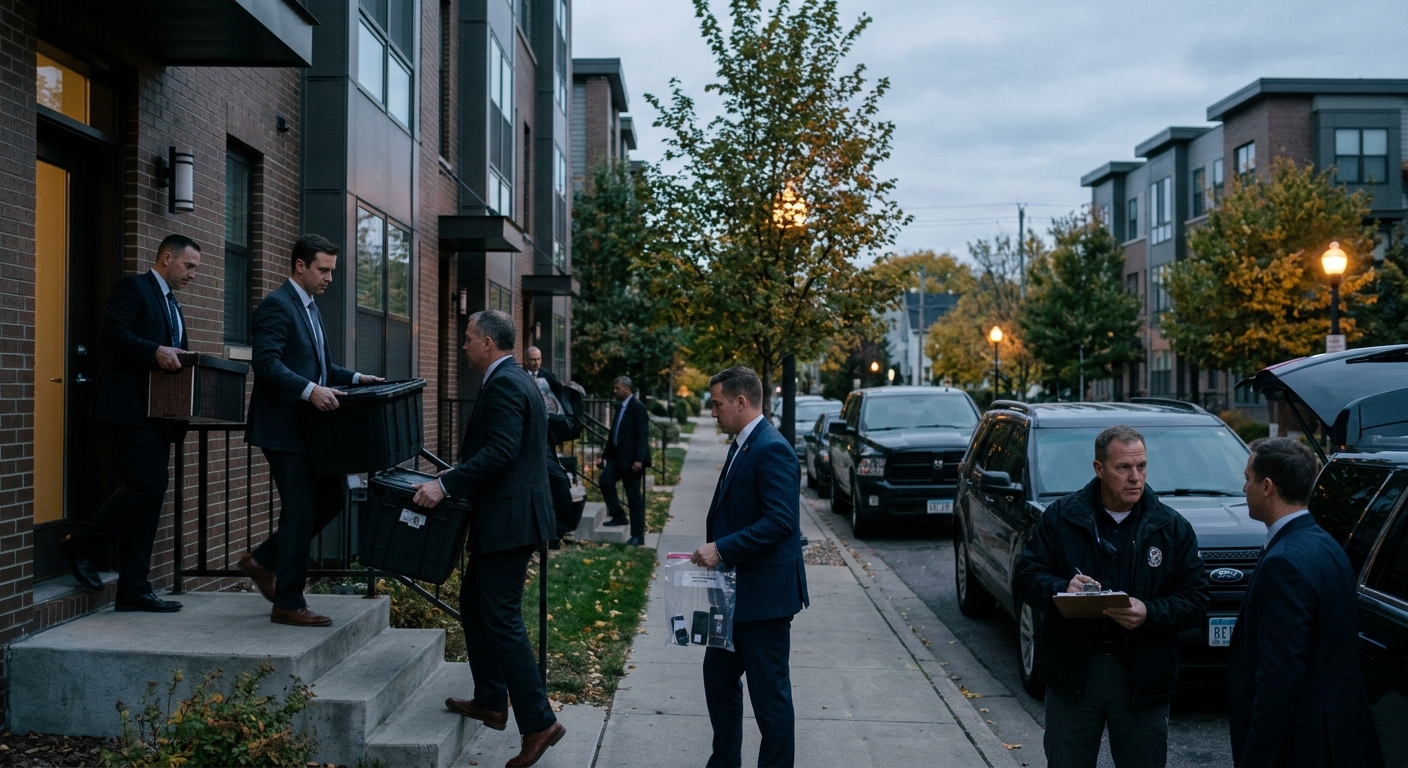
Federal court documents were unsealed, detailing how US magistrate judge Matthew Sharbaugh authorized a search of Congresswoman Ilhan Omar's home while navigating complex constitutional implications. Sharbaugh initially disagreed with Justice Department attorneys, asserting that Omar, as a sitting member of Congress, was entitled to 'speech or debate clause' protections, which he argued extended beyond official congressional offices to her private residence. He concluded that government law enforcement interests needed to be balanced against Omar's constitutional rights and ultimately mandated a search protocol allowing her to invoke privilege over any protected materials before agents carried out the search. While these heavily redacted filings shed light on this procedural and constitutional debate, they do not disclose new information about the reason or outcome of the October 12, 2020 search, nor do they reveal new details of the Trump administration's immigration-fraud investigation into her family, which Omar claims is politically motivated. Chief Judge James Boasberg ordered the partial unsealing following a lawsuit by media organizations, but kept a sensitive 67-page search warrant affidavit sealed to avoid jeopardizing the ongoing investigation. The search, conducted by US Department of Homeland Security agents less than a month before the 2020 midterm elections (a period when the Justice Department typically avoids such public investigative actions involving candidates), seized 17 items, including phones and notebooks. Omar, a naturalized US citizen born in Somalia, has not been charged with any crimes and denies wrongdoing.