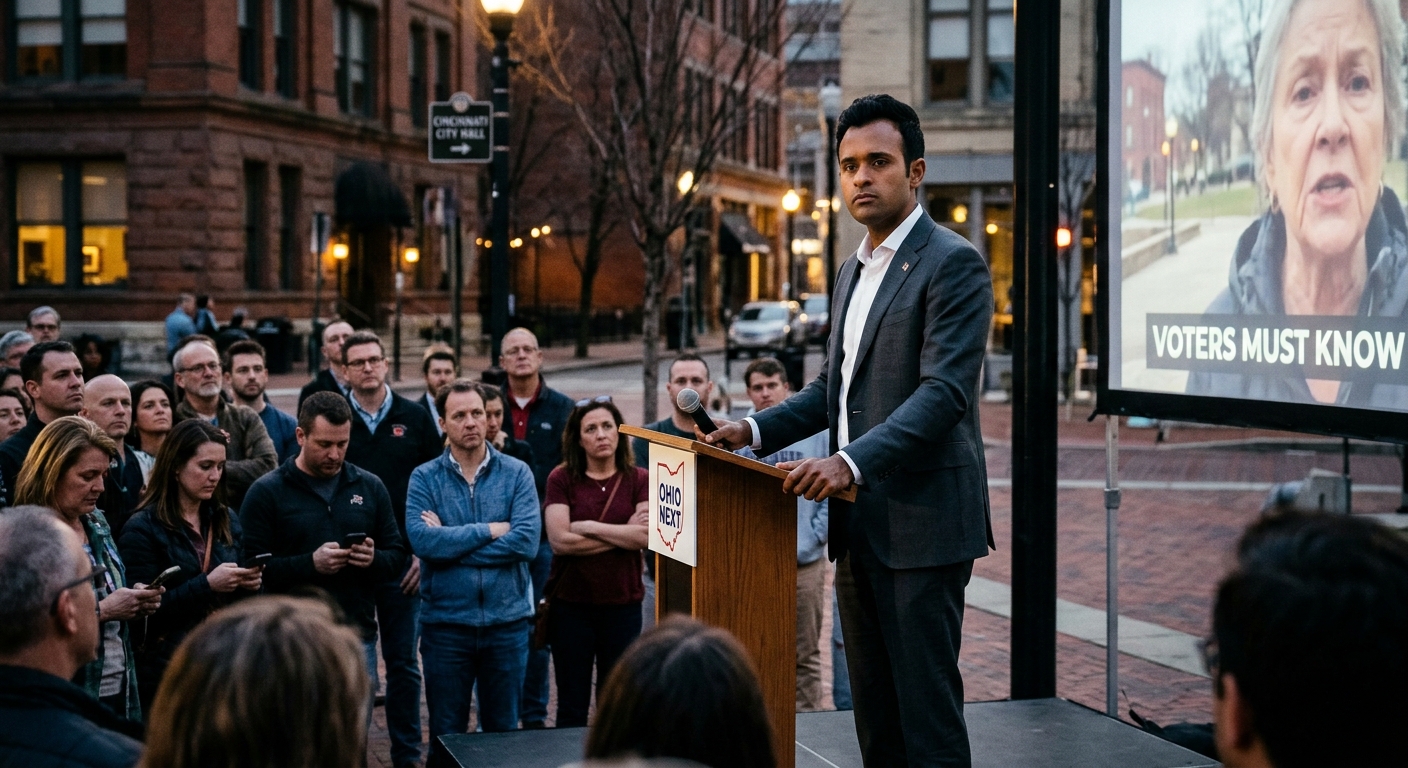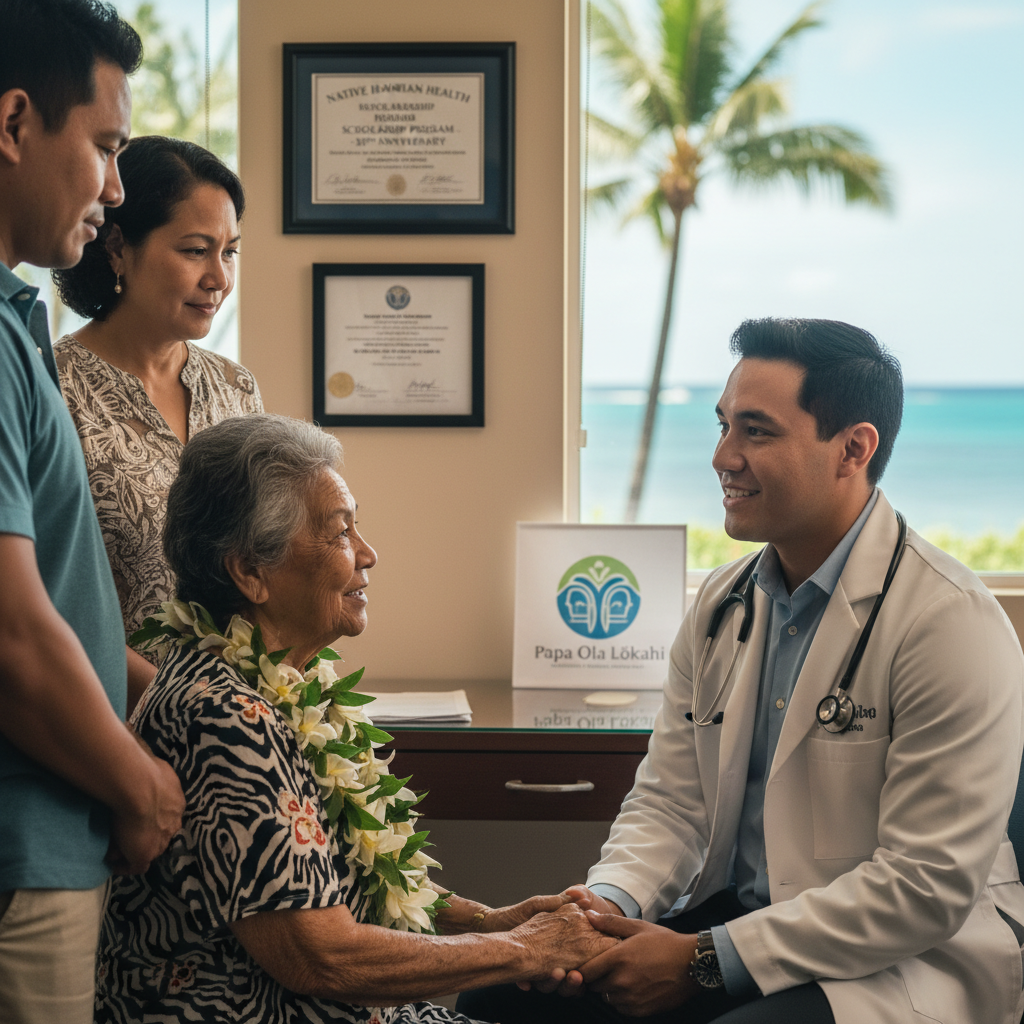
A decades-old federal scholarship program supporting Native Hawaiian medical students and serving underserved communities in Hawaii is facing a lawsuit from a conservative group, 'Do No Harm.' The group argues the program is unconstitutional for excluding non-Hawaiians based on race, while supporters contend it's vital for addressing deep-seated health disparities and providing culturally competent care to Native Hawaiians.
The Native Hawaiian Health Scholarship Program, established by Congress in 1988, has for over 35 years provided crucial financial aid to hundreds of Native Hawaiian medical students. In return, these scholars commit to working in Hawaii's most medically underserved communities, aiming to bridge significant health disparities faced by Native Hawaiians, including lower life expectancy and higher uninsured rates compared to other ethnic groups. However, a Utah-based conservative advocacy group named 'Do No Harm' filed a lawsuit against the federal government in March. They allege the program is unconstitutional, arguing it unfairly withholds 'generous' financial aid from non-Hawaiian students based solely on their race or ethnicity. The group seeks to have the program declared unconstitutional and its scholarships opened to all, regardless of ancestry, even questioning the broad definition of 'Native Hawaiian.' Supporters of the program, including Papa Ola Lōkahi (the administrator) and beneficiaries like Dr. Daniel Garcia, vehemently defend its necessity. They emphasize the historical context of health inequities, the ongoing need for equitable healthcare access, and the critical role of culturally competent practitioners who can build trust with Native Hawaiian patients. Dr. Garcia, a scholarship recipient, shared how the program enabled him to pursue medicine and serve his community, noting that Native Hawaiians often distrust 'Western medicine' from non-Native providers. This lawsuit is part of a broader, nationwide effort by conservative groups to challenge and dismantle programs designed to support minority groups, a trend that intensified after the 2023 Supreme Court ruling against race-conscious admissions in higher education. Despite these challenges, advocates stress that the scholarship remains an indispensable 'prong' in Hawaii's health system, ensuring that 'our people' (lāhui) receive the care they need from professionals who understand their culture and background.