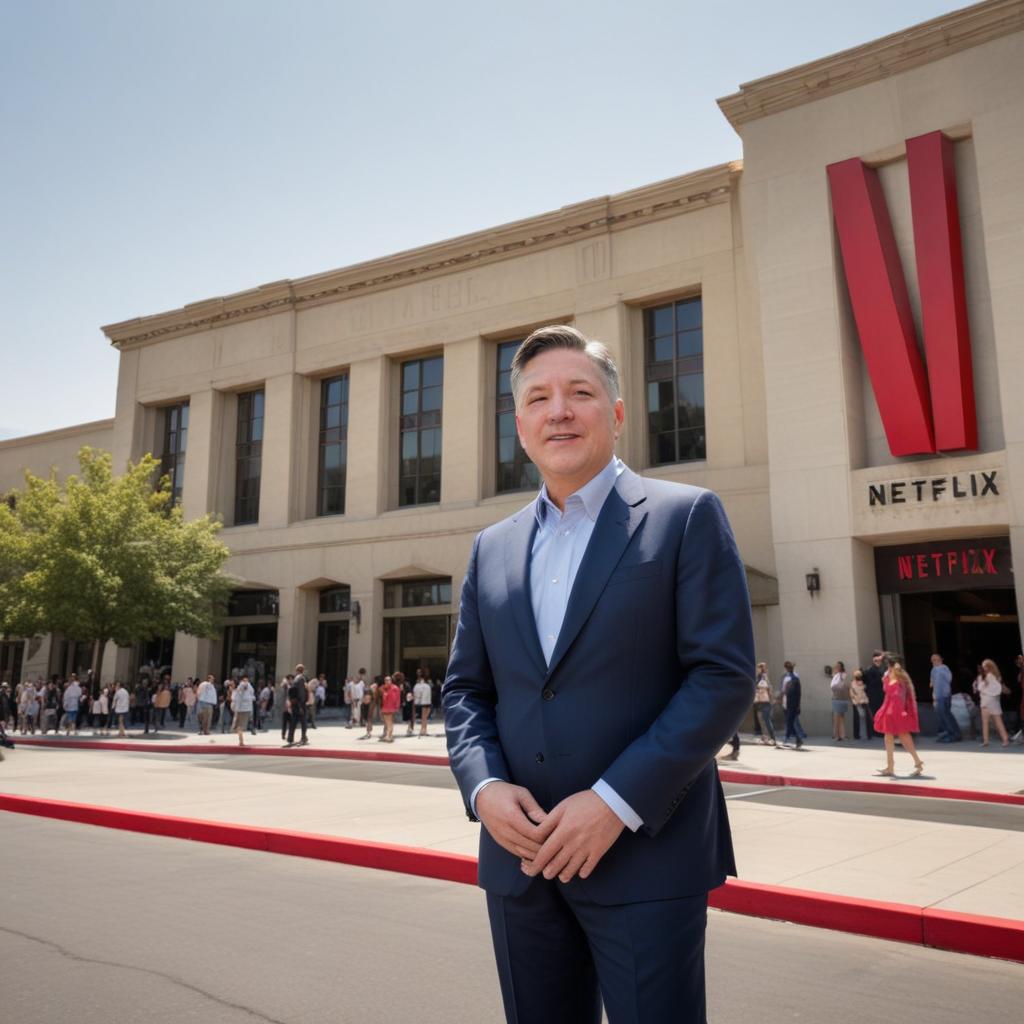
Netflix's acquisition of Warner Bros. signals a seismic shift in the entertainment industry, raising critical questions about the future of theatrical releases, movie theaters, and the potential integration of HBO Max.
Netflix's proposed acquisition of Warner Bros., a 102-year-old 'big five' studio, is poised to dramatically reshape the entertainment industry and the future of moviegoing. While the deal faces antitrust scrutiny and is 12-18 months from completion, it has sparked numerous questions. Netflix co-CEO Ted Sarandos affirmed support for a theatrical 'life cycle' for Warner Bros. movies but questioned 'long exclusive windows,' reflecting a trend where theatrical windows have shortened from 90 to often 45 days. Netflix currently releases some films theatrically for awards or filmmakers, typically with short windows, and only recently broke a stalemate with major chains like AMC and Regal. The acquisition is seen as an 'unprecedented threat' to the global exhibition business by industry leaders, as the domestic box office has not fully recovered since the pandemic. The reaction of top filmmakers, many of whom are vocal champions of the theatrical experience, is a key concern, with past controversial decisions by Warner Bros. leading to rifts with figures like Christopher Nolan. The future of HBO Max is also uncertain, with possibilities ranging from separate subscriptions with bundling options to integration with Netflix, which would gain access to Warner Bros.' extensive library including 'Harry Potter' and classic films. Warner Bros. has a robust slate of upcoming films planned for 2026 and 2027, across its four main labels, including high-profile sequels and new titles.