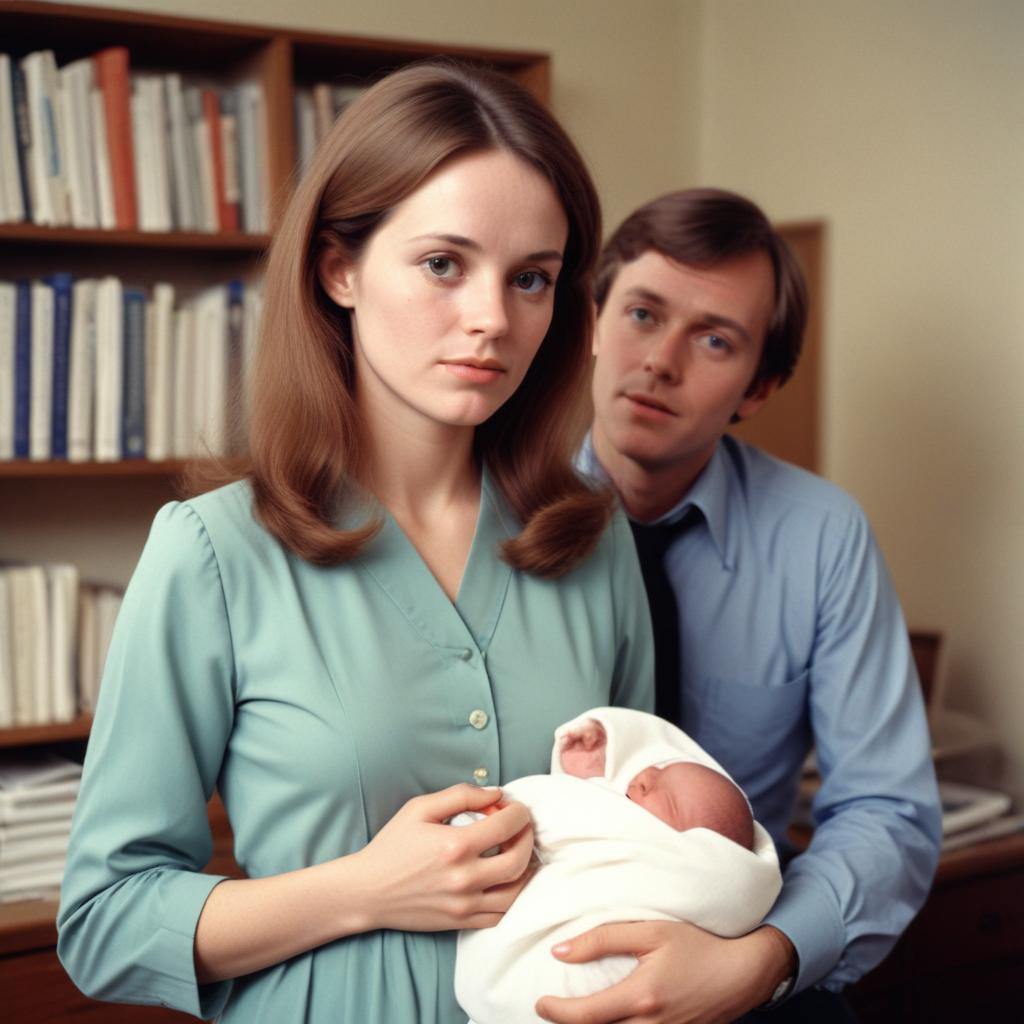
A woman shares her extraordinary journey from a devastating infertility diagnosis in 1972 to becoming one of the first recipients of experimental IVF, ultimately giving birth to Alastair, the world's first IVF boy, and forever changing medical history.
In 1972, at age 26, the author was told her fallopian tubes were blocked, making pregnancy impossible. Devastated, and with IVF nonexistent and adoption difficult, she refused to give up hope. After three years of research, she learned about the experimental work of gynaecologist Patrick Steptoe and physiologist Robert Edwards. She became an ideal candidate for their pioneering, free IVF program. Despite initial skepticism in the press, she was delighted by the chance to have a 'test-tube baby.' Her first IVF attempt in February 1977 failed, breaking her heart, but with the support of Steptoe, Edwards, and nurse embryologist Jean Purdy, she tried again. In May 1977, her second attempt was successful, making her pregnant with the second IVF baby in the world, following Lesley Brown, who was pregnant with Louise Brown (the first IVF baby, born in 1978). Her son, Alastair, was born on January 14, 1979, during a snowstorm, weighing 5lb 12oz, becoming the world's first IVF boy. Steptoe and Edwards, delayed by the storm, guided her local gynaecologist over the phone. Overcome with emotion, she cherishes the memory of holding her longed-for baby. Alastair is now 46, a first officer in the Royal Fleet Auxiliary, and her pride and joy. She remains close to other women from the program, cherishing their unbreakable bond. She feels blessed to have experienced it all, grateful for Alastair, and honored to have played a small role in IVF becoming 'normal' today, crediting Steptoe, Edwards, and Purdy for the miracle that has since led to over 13 million IVF births.