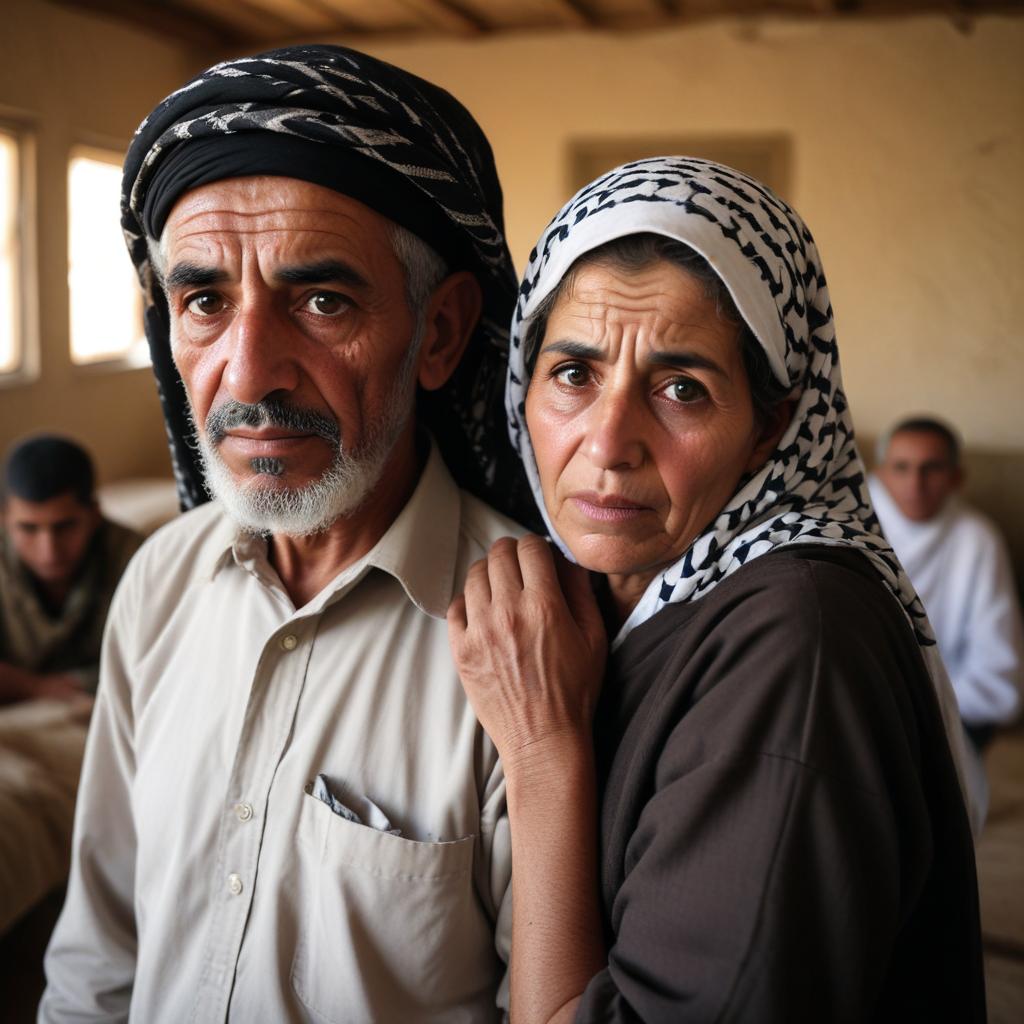
Palestinian families, including 55-year-old Mahmoud Eshaq, are being forcibly displaced from their homes in the South Jordan Valley by Israeli settlers using violence and intimidation, often with military support, as part of a state-backed 'ethnic cleansing' campaign to seize land in the occupied West Bank.
The article details the forced displacement of Palestinian Bedouin communities in the South Jordan Valley, exemplified by the emotional departure of Mahmoud Eshaq from Ras ‘Ein al ‘Auja, a village where his family had lived for five decades. Eshaq, 55, struggled with grief as he dismantled his home, while masked Israeli soldiers escorted a teenage settler celebrating the 'ethnic cleansing.' Ras ‘Ein al ‘Auja, once the largest Bedouin village, became the last remaining one after a campaign of escalating settler violence—including arson, theft, beatings, and property destruction—forced out neighboring communities. Israeli settlers now control over 250 sq km of land previously grazed by Bedouin herds. This displacement, described by rights groups as 'ethnic cleansing' with 'full participation of the Israeli government,' aims to remove Palestinians from all open land in the West Bank. The campaign is often led by young 'Hilltop Youth' shepherds from small outposts, who use intimidation to efficiently seize land, operating with near total impunity despite state funding and backing. The violence has reached a tipping point, with settlers cutting off utilities, raiding homes, and terrorizing residents. In Ras ‘Ein al ‘Auja, 26 families recently fled, leaving Eshaq's family on the frontline. The article highlights the lack of accountability for settler violence, with over 1,000 Palestinians killed in the West Bank since October 2023 without convictions. This annexation project, rooted in the unofficial 'Allon Plan' from 1967, aims to secure a security buffer along the Jordan Valley. Despite international sanctions on violent settlers and recognition of a Palestinian state by some countries, the obliteration of Palestinian communities continues to accelerate, with little international accountability.