Amid escalating tensions, Iran dismisses President Trump's accusations as 'big lies' while simultaneously signaling openness to 'honorable diplomacy' ahead of critical nuclear talks in Geneva. This comes as satellite imagery shows U.S. Navy vessels scattering in the Persian Gulf, a move previously seen before a major attack, highlighting the precarious balance between diplomacy and potential military conflict.
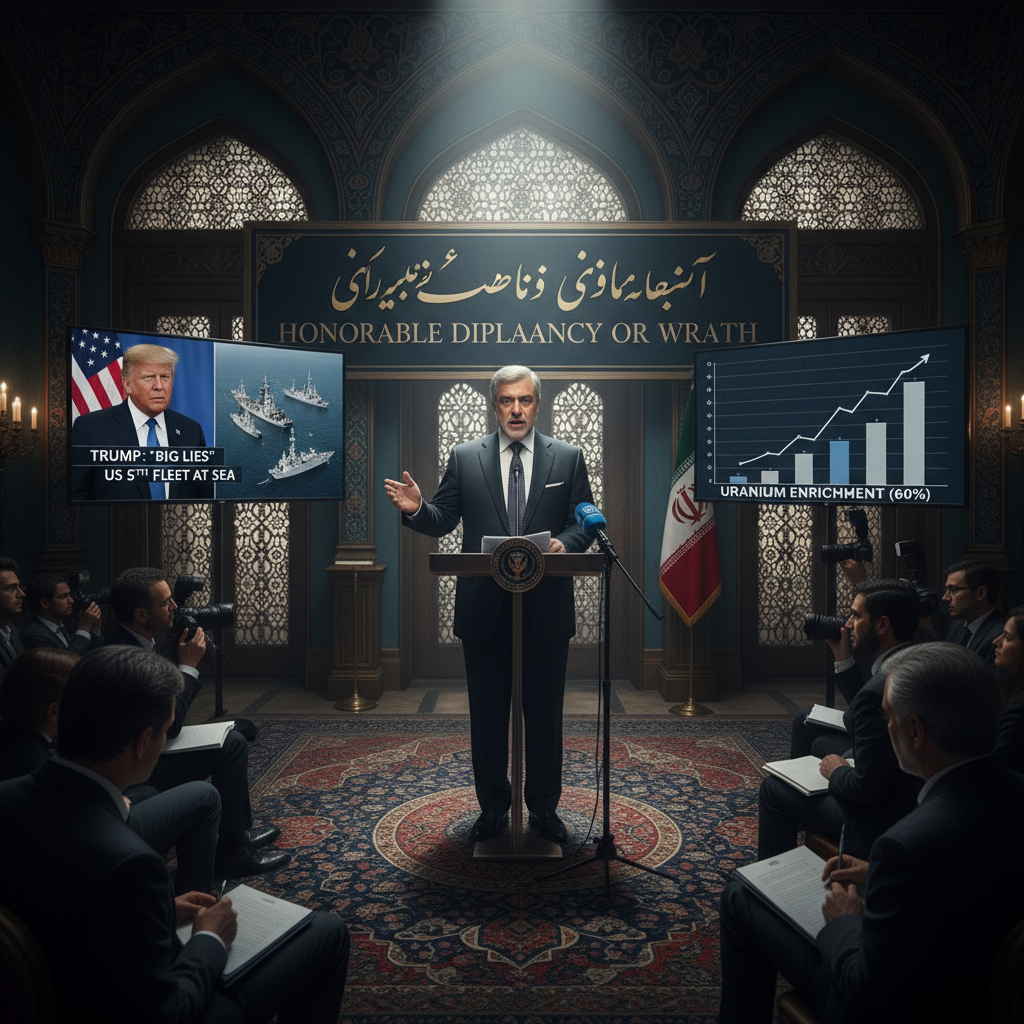
Iran is pushing back against U.S. President Donald Trump's pressure tactics ahead of crucial nuclear talks in Geneva, labeling his remarks as 'big lies' while also indicating a willingness for agreement through 'honorable diplomacy.' Satellite photos revealed U.S. Navy 5th Fleet vessels, typically docked in Bahrain, all at sea—a protective measure previously observed before Iran's attack on Qatar in June. Trump, in his State of the Union speech, accused Iran of developing missiles capable of threatening Europe and the U.S., and of rebuilding its nuclear weapons program, despite warnings. Iran, which maintains its nuclear program is peaceful, had previously been enriching uranium to 60% purity before a June attack. Iranian Foreign Ministry spokesman Esmail Baghaei compared Trump to Joseph Goebbels, accusing his administration of a 'disinformation & misinformation campaign.' He refuted Trump's claims regarding Iran's nuclear program, ballistic missiles, and the casualty figures from recent protests, calling them 'big lies.' Mohammad Bagher Qalibaf, Iran’s parliament speaker, stated that the U.S. could choose diplomacy with respect or face Iran’s wrath. The U.S. and Iran are set to meet for their third round of talks in Geneva, mediated by Oman. U.S. Vice President JD Vance reiterated that Trump is committed to preventing Iran from acquiring nuclear weapons, preferring diplomacy but ready to use military force if necessary. Uncertainty surrounds the timing and objectives of any potential military action, with questions about its effectiveness in securing concessions, the possibility of regime change, and the broader regional implications, including potential retaliation and rising oil prices. The status of Iran's nuclear program remains unclear, with IAEA inspectors reportedly denied access to verify the extent of the program after previous U.S. strikes.