Baseball historian Thomas Gilbert uncovers the lost legacy of James Creighton, a 19th-century pitching phenom who died at 21. Gilbert's new book argues Creighton was baseball's first star, invented the curveball, influenced the strike zone, and was tragically overworked by his team, making a strong case for his Hall of Fame induction.
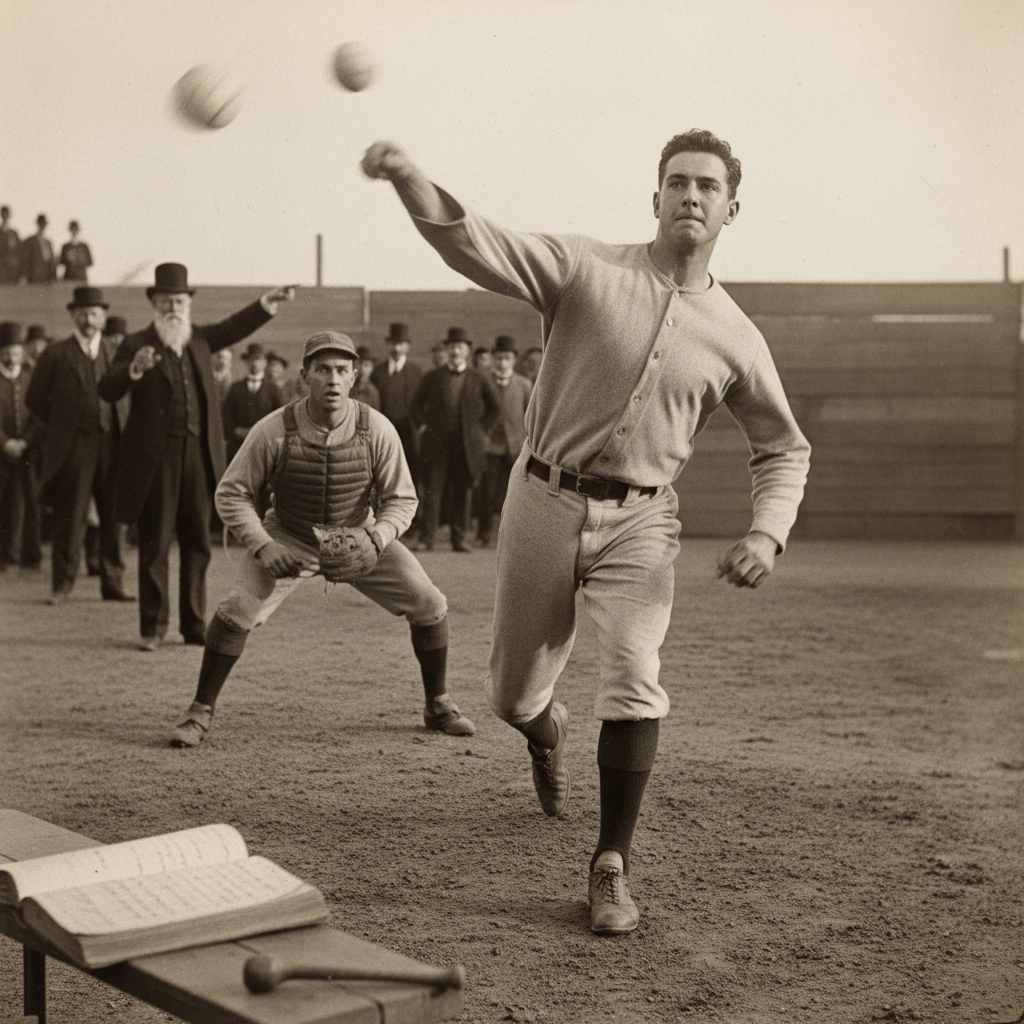
James Creighton, a star pitcher for the Brooklyn Excelsiors, died at age 21 in 1862, leaving behind a ledger of accomplishments and a grave that became a shrine. Despite his early impact, his legacy faded, leading to questions about his death and career achievements. Baseball historian Thomas Gilbert, in his new book 'Death in the Strike Zone: The Mystery of America’s First Baseball Hero,' makes a compelling case for Creighton's inclusion in the Hall of Fame, arguing that he was once considered the 'greatest, fastest pitcher ever' by figures like Albert Spalding. Gilbert posits that Creighton, not William Arthur 'Candy' Cummings, threw the first curveball, a decade before other candidates. Through analysis of rare photos, newspaper accounts, and expert consultations, Gilbert details Creighton's unique pitching mechanics—stopping forward momentum and using hip/shoulder rotation—which allowed him to deliver a powerful, curving pitch that transcended the mid-19th-century rules of underhand, straight-arm lobbing. Catcher Joe Leggett played a crucial role, encouraging Creighton's weight training and later working with other curveball specialists. Creighton's unprecedented power pitching, described as an 'unhittable' upward-breaking curve, profoundly impacted the game. Gilbert argues that his ability to pound balls in the strike zone, which players initially opted not to swing at, directly led to the development of calling balls and strikes and, eventually, the modern strike zone. The legality of Creighton's curveball was initially affirmed by prominent baseball figures like Henry Chadwick and Pete O’Brien in 1860, though their opinions mysteriously shifted a decade later, possibly contributing to Creighton's lack of recognition. The article also delves into the mystery surrounding Creighton's death. Dispelling popular myths of him dying from a home run hit, Gilbert suggests Creighton succumbed to complications from an inguinal hernia, exacerbated by his powerful pitching style. Gilbert implies that the Excelsiors, despite having doctors on the team, irresponsibly overworked their star, leading to his tragic and painful death from gangrene, and that the subsequent 'martyrdom' and monument may have been partially inspired by guilt. Gilbert concludes with a strong call for Creighton's rightful place in the Hall of Fame, referencing early baseball pioneers who acknowledged his greatness.