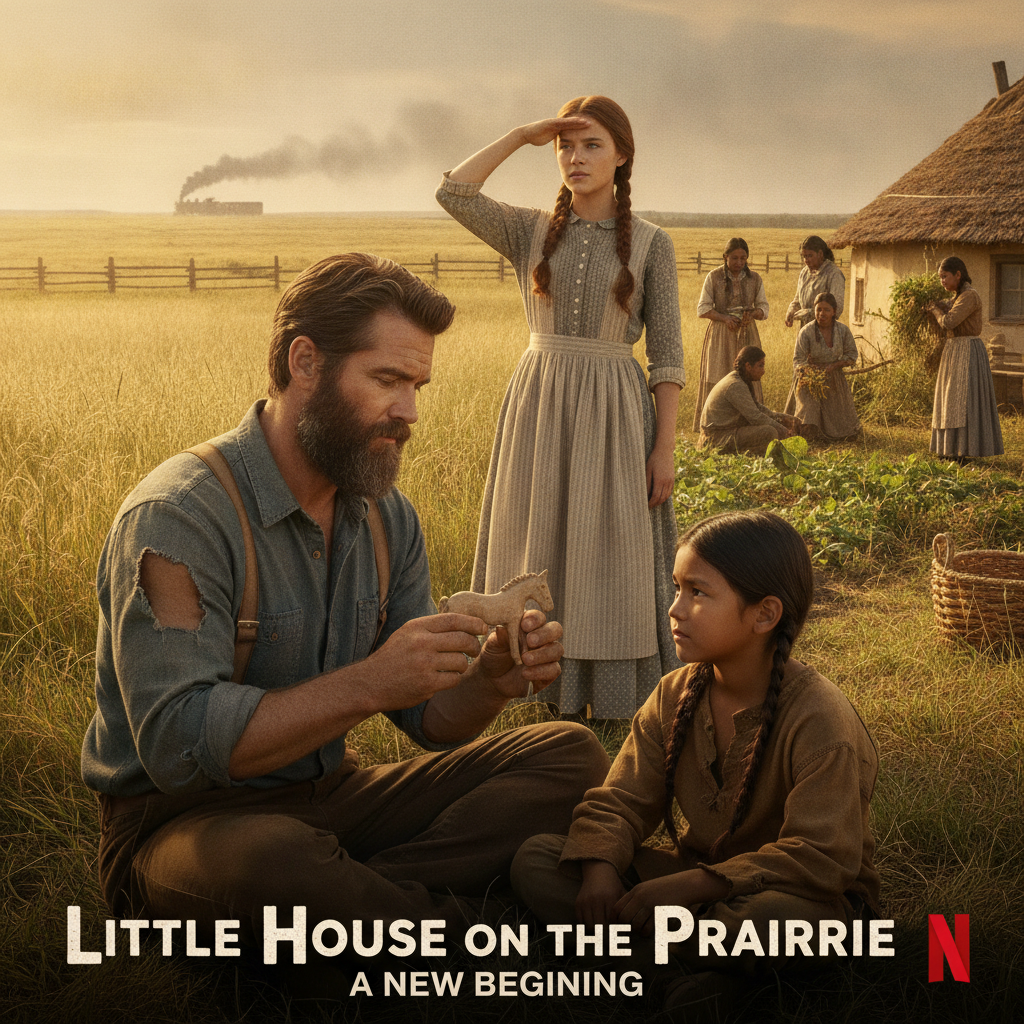
Netflix's new 'Little House on the Prairie' reboot, premiering July 9, continues a legacy of adaptations reflecting their times. From its Depression-era novels to the 1970s TV series, the frontier saga resonates with audiences seeking comfort, self-sufficiency, and grappling with complex social issues, sparking modern 'culture war' debates.
Each iteration of 'Little House on the Prairie' has mirrored the societal anxieties and aspirations of its era. The original children's novels, published post-Great Depression, were heavily influenced by Rose Wilder Lane's libertarian views, promoting individualism and self-reliance against government aid, creating a powerful myth of American resilience. The immensely popular 1970s television series, airing during a recession, diverged significantly, embracing collectivism and tackling groundbreaking, dark themes like racism, addiction, rape, and a more humane portrayal of Indigenous peoples, a stark contrast to the books and real history. Netflix's 2024 reboot, starring Luke Bracey and Crosby Fitzgerald, taps into a renewed cultural interest in the series. Its appeal is bolstered by pandemic-era nostalgia for self-sufficiency, a growing resistance to technology, and trends like 'cottagecore' and 'tradwife' aesthetics. However, its announcement immediately ignited a 'culture war' debate, with critics like Megyn Kelly fearing a 'woke' adaptation, while original cast member Melissa Gilbert defended the original show's history of addressing complex social issues. The new series aims for greater historical accuracy, focusing on the Ingalls family's time on an Osage reservation with the help of an Osage consultant. Yet, despite its diverse cast, critics suggest the reboot's portrayal of the brutal frontier era remains 'eerily bloodless and sanitized,' potentially prioritizing representation over a challenging exploration of American life, continuing the tradition of 'Little House' reflecting its contemporary cultural impulses.