A government report indicated an unexpected cooling of inflation in November, with the CPI rising 2.7%. However, economists are highly skeptical, citing data distortions and delays caused by a federal shutdown. Most Americans continue to face high costs, while President Trump's tariffs are noted for contributing to persistent price pressures.
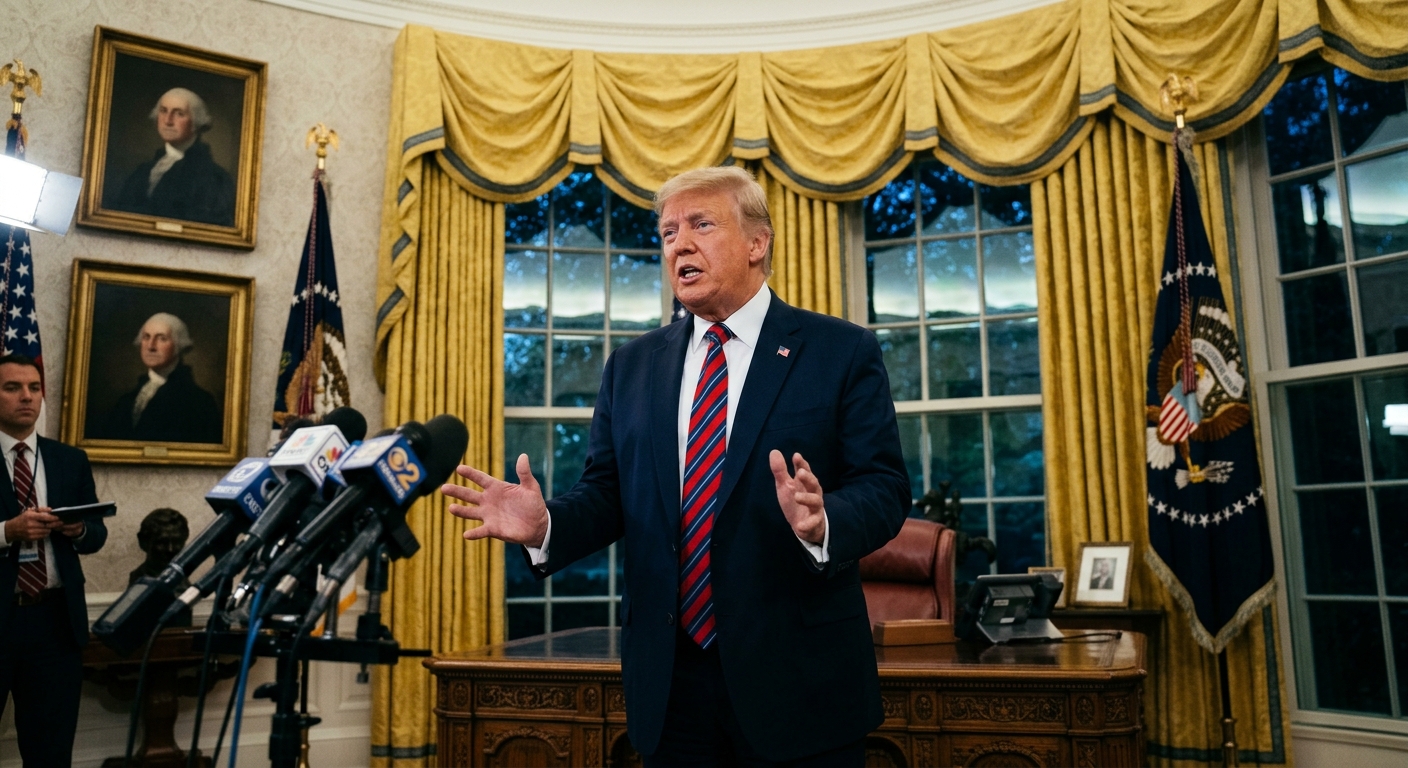
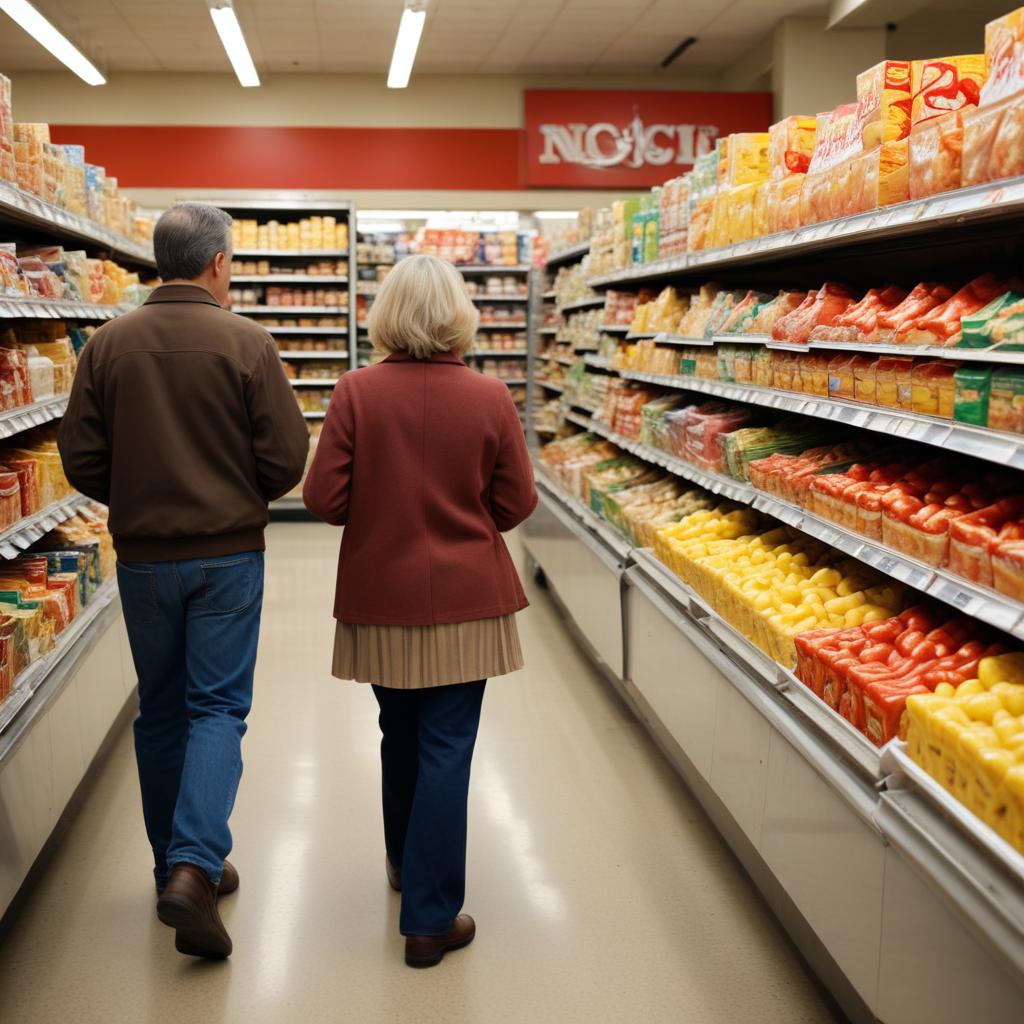
The Labor Department released a report showing that the Consumer Price Index (CPI) rose 2.7% in November from a year earlier, an unexpected slowdown from September's 3%. This news came amid widespread frustration over the high cost of living. However, economists swiftly warned that the November data was likely 'suspect,' 'distorted,' and 'noisy' due to an 8-day delay and disruptions caused by a 43-day federal shutdown. The shutdown also prevented the compilation of October's figures, making month-on-month comparisons impossible. Despite the reported cooling, most Americans have not felt any relief from high prices for food, insurance, utilities, and other basic necessities, with year-over-year inflation remaining above the Federal Reserve's 2% target. Experts like Diane Swonk of KPMG and Kay Haigh of Goldman Sachs Asset Management expressed significant reservations about the reliability of the data, suggesting a more accurate read on inflation won't be available until the December CPI report. The article also points to President Donald Trump's tariffs on imports as a factor contributing to stubbornly high inflation, which complicates the Federal Reserve's decisions on interest rates. Businesses, such as footwear maker Wolverine Worldwide, are directly impacted by these tariffs, facing increased costs, price hikes, and hiring freezes, further exacerbated by the unpredictable nature of tariff rollouts. Public anxiety about rising costs persists, with recent polls indicating Americans are dipping into savings and cutting back on non-essential purchases.