Author Darcey Steinke, in her memoir 'This Is the Door,' explores how her own chronic pain and the experiences of 80 others reveal pain's transformative power, fostering empathy, spiritual re-evaluation, and a deeper connection to reality, challenging conventional views on suffering.
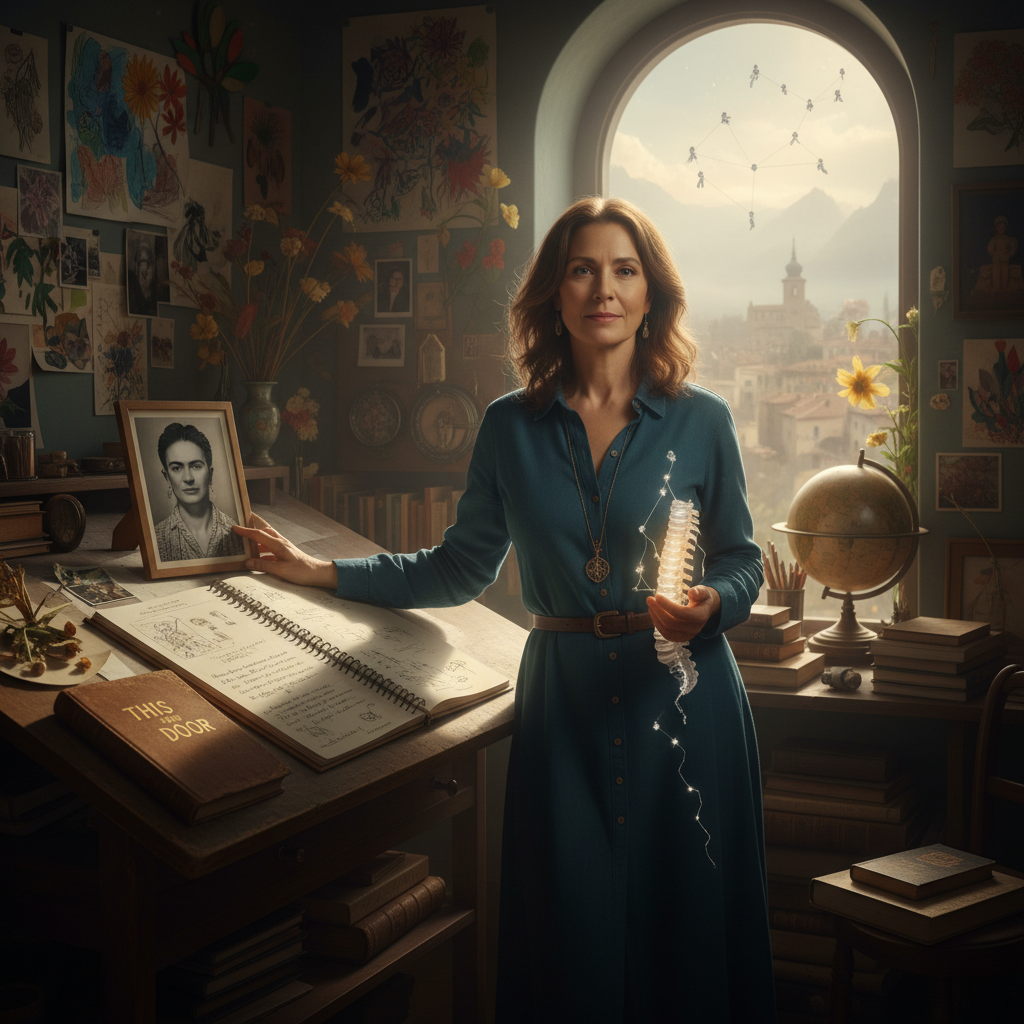
In her memoir 'This Is the Door,' writer Darcey Steinke shares her profound insights into chronic pain, stemming from her own excruciating experience with a herniated disc. Unable to sit and facing a medical community that often dismissed her suffering as 'not meaningful,' Steinke embarked on a journey to understand pain beyond the search for a cure. She interviewed approximately 80 people and researched the history and artifacts of pain, distilling reflections on its multifaceted effects. Steinke found that pain, while isolating, also fosters deep empathy, changing her perception of others with mobility issues. Many interviewees reported that pain 'realigned their relationship with the universe,' leading to a greater connection with reality. Her personal experience forced her to re-evaluate priorities, confronting mortality and inspiring a focus on what truly matters. Steinke describes pain as both a corporal and spiritual experience, leading to a more personal theology and a reliance on rituals like art, community involvement, or engaging with nature, as exemplified by her own father's evolving faith during his illness. She highlights artists like Frida Kahlo and Kurt Cobain, who channeled their suffering into their work, demonstrating how art can be a pain reliever and an inspiration. The article also delves into pain's inherent connection to mortality, describing it as a humbling and leveling force that prepares individuals for the realities of aging and death. Steinke concludes with her moving pilgrimage to Lourdes, where she witnessed and participated in healing rituals, observing the raw vulnerability and profound faith of sufferers, reinforcing the idea that authentic expression and acknowledgment of pain can be a powerful and connecting experience.