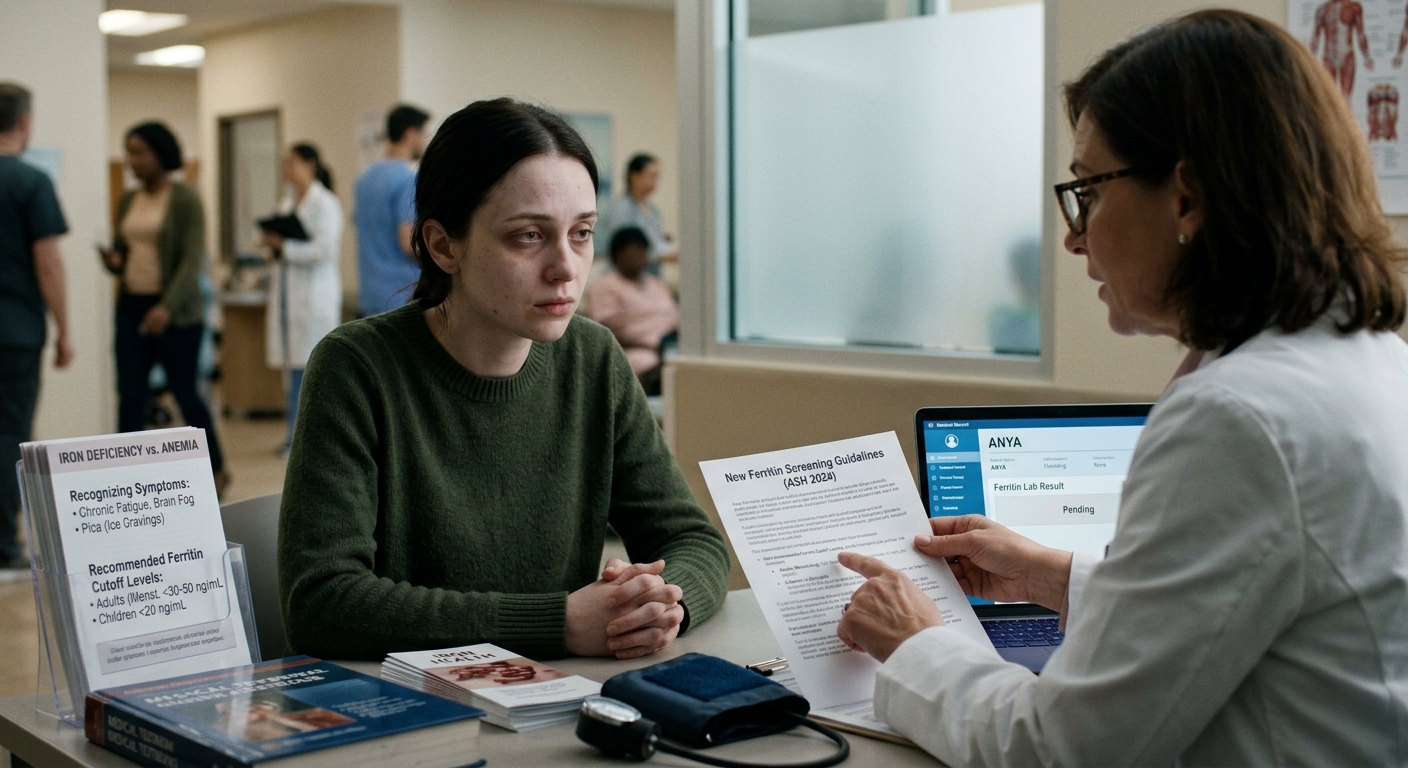
Iron deficiency is far more common and underdiagnosed than many realize, affecting nearly one-third of US adults. Symptoms like fatigue, weakness, and brain fog are often dismissed, even when not severe enough to cause anemia. New guidelines aim to improve diagnosis and treatment.
Iron deficiency is the most common micronutrient deficiency globally, yet many individuals suffer from symptoms like fatigue, weakness, and brain fog for extended periods before diagnosis. A 2024 study indicates nearly one-third of U.S. adults may be iron deficient, and routine screenings often miss a significant percentage of cases, especially in high-risk groups like children and pregnant women. While some online trends suggest self-diagnosis based on 'ferritin face' (pale skin, dark under-eye circles), medical professionals emphasize proper testing. It's crucial to distinguish between iron deficiency and anemia. Anemia is a condition where there aren't enough red blood cells to transport oxygen, often caused by a lack of iron. Iron deficiency, however, can cause similar debilitating symptoms—including restless leg syndrome and pica (cravings for non-food items)—even before it progresses to anemia, a 'misperception' that new diagnostic recommendations aim to correct. Standard blood tests for red blood cell count often miss iron deficiency without anemia. New diagnostic recommendations released by the American Society of Hematology (ASH) in September provide clearer ferritin level cutoffs for diagnosis, moving beyond the previously questioned World Health Organization standard of 15 ng/mL. The new guidelines recommend 20 ng/mL or less for children, 30 ng/mL for most adults, and 50 ng/mL or less for those with heavy menstrual bleeding, vegan diets, or long-term antacid use. For adults with inflammatory issues, the limit is 100 ng/mL, along with an additional transferrin saturation test. These guidelines aim to ensure earlier intervention and prevent complications. Testing is recommended for individuals experiencing a range of symptoms from chronic tiredness and brain fog to cravings for ice. While restrictive diets can contribute, common causes of iron deficiency in the U.S. are often blood loss (particularly heavy menstruation in women, who are more susceptible) and digestive conditions like IBS or Celiac disease. Pregnant people and children are also at high risk due to increased iron demands for growth. Gastrointestinal blood loss can even be an early sign of colon cancer. Endurance athletes also require more iron. If you maintain a healthy lifestyle but remain persistently tired, checking ferritin levels is advised, as oral iron supplements can often alleviate symptoms within weeks or months. However, it's essential to work with a doctor to determine the underlying cause of the deficiency.