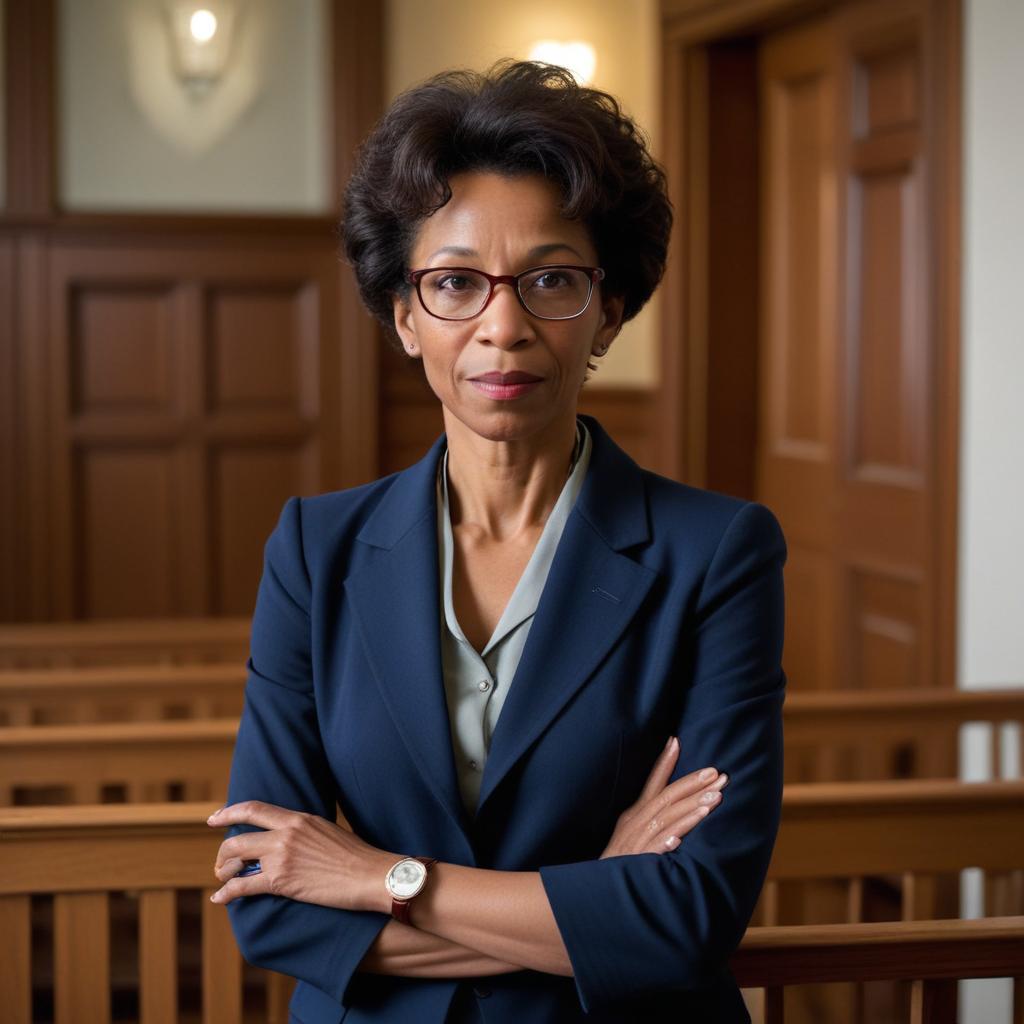
Dr. Mary T Bassett, a leading public health figure, was forced to resign from Harvard's FXB Center due to her work on Palestinian health and human rights, exposing a profound crisis of conditional 'universalism' within human rights, global health, and elite academic institutions.
Last Tuesday, Harvard announced Dr. Mary T Bassett would 'step down' from the François-Xavier Bagnoud Center for Health and Human Rights, but sources reveal she was asked to resign just hours prior. This decision culminates a year of escalating pressure on the Center for its work on Palestinian health and human rights, with powerful figures like former Harvard president Larry Summers condemning it as 'fomenting antisemitism.' The article argues Bassett's removal exposes a deeper crisis in human rights institutions, global public health organizations, and American universities, which, despite claiming universalism, demonstrate conditional commitments when confronted with the politics surrounding Palestine. It asserts that the 'universalism' of these institutions has historically been selective, rooted in Euro-American power, colonial medicine, and donor interests, often obscuring rather than confronting global inequalities. Harvard, while publicly championing academic freedom, has allegedly capitulated to pressure by curtailing Palestine-related programming, censoring faculty, and suspending key partnerships like the one with Birzeit University. Bassett's ouster, following her public condemnation of Israeli actions in Gaza, is presented as a clear concession, signaling that Harvard's ethical commitments falter when political costs rise. This 'Palestinian exception' is widespread, with professionals nationwide facing repercussions for discussing Gaza's devastation. The article concludes that while these universalist frameworks have always been flawed, their value lies in their potential for critique and demanding equality. Abandoning them under political pressure, as Harvard appears to be doing, would confirm cynical views of American power. Bassett's removal serves as a critical moment, highlighting the necessity of fighting for Palestinian rights as central to any genuine claim of ethical legitimacy in human rights, global health, and academia.