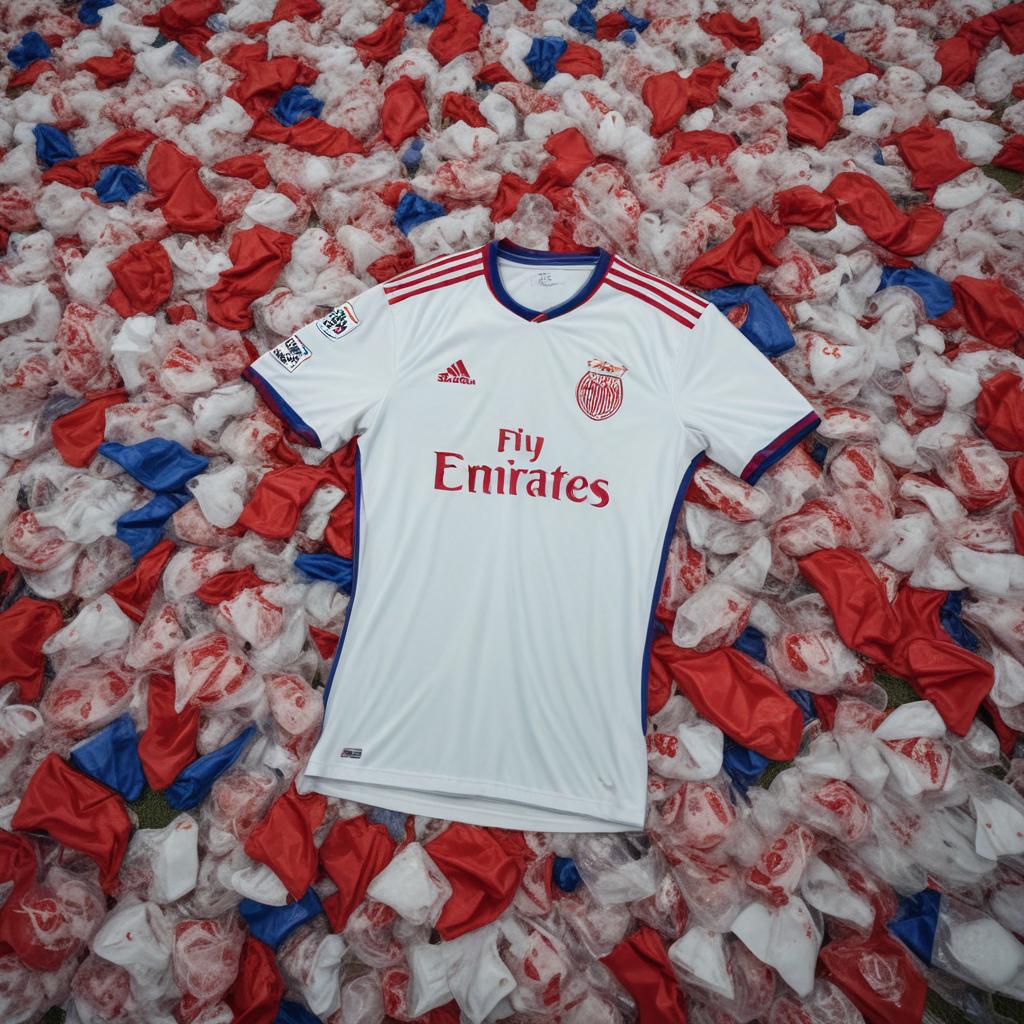
Millions of discarded football shirts contribute to massive environmental waste, but a new wave of designers and brands are transforming them into unique, sustainable fashion pieces. Discover how upcycling is tackling overproduction, offering stylish alternatives, and pushing for a circular economy in the sport.
The football industry grapples with a significant waste problem, with UEFA estimating that up to 60% of player kits are destroyed annually and over a billion shirts in circulation, many discarded by fans. Modern kits, predominantly made from virgin polyester, are energy-intensive, release microplastics, and take centuries to decompose, contributing to an estimated 100,000 tonnes of sports kit ending up in UK landfills each year. However, a burgeoning movement of designers and brands is turning this waste into opportunity through upcycling. Creative director Hattie Crowther, with her 'Soft Armour' project, transforms old shirts into one-of-a-kind headpieces. Other designers like Renata Brenha and Christelle Kocher, along with brands such as (re)boot and Rose Ojo, rework shirts into dresses, puffer jackets, and more. Vintage Threads offers a rework service, creating custom pieces like shirred tops and leather jackets, particularly popular among women seeking more tailored and stylish alternatives to baggy football shirts. This trend not only offers unique, ethically produced garments but also addresses the environmental impact of fast fashion. Journalists and environmentalists highlight reworked shirts as a vital solution to the waste generated by the constant release of new kits. Beyond upcycling, the popularity of retro football kits and initiatives like Green Football's 'Great Save' campaign encourage extending the life of shirts through swapping, donating, and repurposing. While football's profit-driven nature can conflict with sustainability (e.g., clubs using recycled polyester but sponsored by high-emission airlines), experts advocate for integrating a circular economy. This model suggests clubs could sell shirts multiple times through pre-loved markets and support in-house upcyclers, unlocking significant financial value (estimated $700bn for the global fashion market by 2030) alongside environmental benefits. Some clubs, like Brighton FC, are beginning to collaborate with sustainable upcycling brands, recognizing that aspirational, desirable sustainable designs are key to both fan engagement and broader ecological impact.