The Sundance Film Festival faces an existential crisis after its founder's death and a move to Boulder, Colorado. Grappling with a tough sales market and changing film landscape, the festival's identity as a beacon of independent cinema is in question, despite some standout films and major sales.
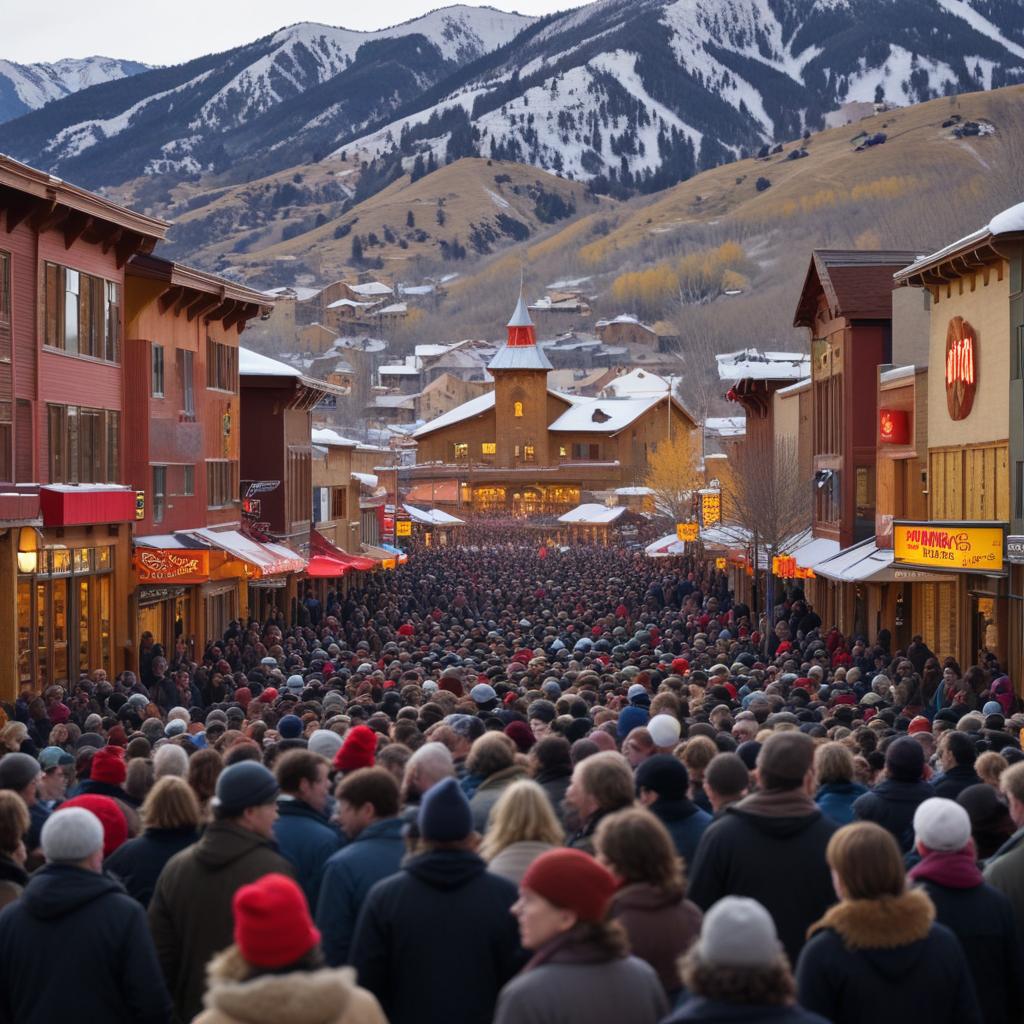
The Sundance Film Festival is undergoing a profound transformation, relocating from its long-standing home in Park City, Utah, to Boulder, Colorado, following the death of its beloved founder, Robert Redford. This shift has ignited widespread discussion about the festival's future and its role in an evolving independent cinema landscape, where film production is easier but sales are increasingly challenging. The traditional 'Sundance dream' of rapturous premieres, heated auctions, and Oscar glory is now harder to achieve, with many past festival darlings failing to find broader success. While the festival continues to showcase diverse films, from horror to documentaries and awards contenders, the most impactful ones are those that feel authentic rather than formulaic. 'Josephine,' a critically acclaimed drama that won both the grand jury and audience awards, remains unsold due to its challenging subject matter, despite a lauded performance by Channing Tatum. The sales market is notably sluggish, with buyers exercising extreme caution. However, there were successes: Olivia Wilde's 'The Invite' secured a significant $12M+ deal with A24, ensuring a theatrical release, and 'Leviticus,' an Australian queer horror, found a home with Neon for $5M. Documentaries continue to be a strong suit, with all five Oscar-nominated non-fiction films this year having premiered at Sundance, including the highly anticipated 'Once Upon a Time in Harlem.' As the festival prepares for its Colorado debut, questions linger about community building and competition with other local festivals, though the move promises benefits like improved politics and more affordable lodging. Ultimately, the article explores the existential questions surrounding Sundance's identity and the future of independent cinema, affirming its continued importance as an American institution while hoping for a revitalized vision in its new location.