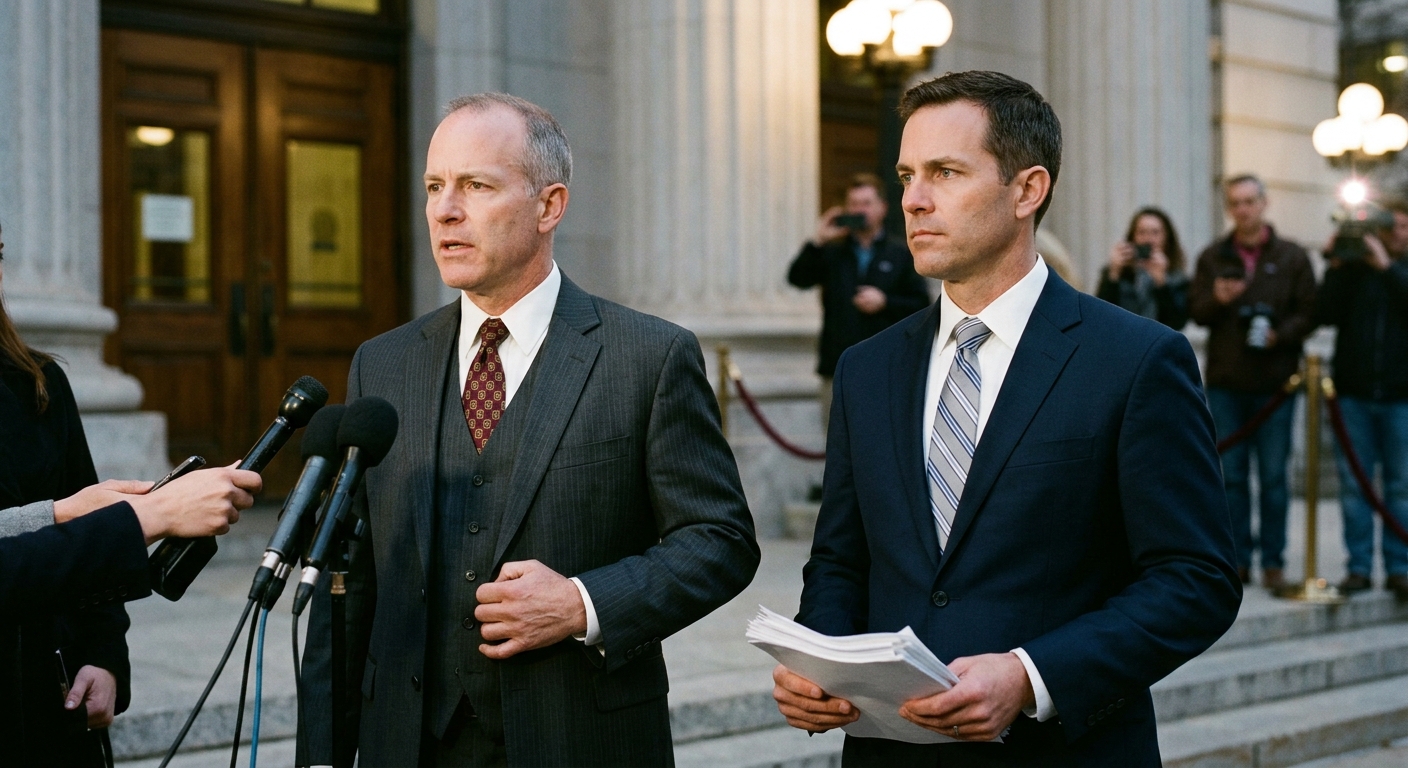
Challenging the notion that cinema should be apolitical, this article argues that films possess immense power to drive real-world change. From influencing public opinion to directly inspiring new legislation and even shifting national policies, several powerful examples demonstrate how movies have profoundly impacted societies and governments globally.
The debate over cinema's role in politics was ignited when novelist Arundhati Roy withdrew from the Berlin festival jury, protesting jury president Wim Wenders' assertion that films should 'stay out of politics.' Roy deemed Wenders' stance 'unconscionable,' arguing that art inherently holds political power. While Wenders suggested cinema builds empathy without directly changing politicians' minds, numerous films prove otherwise, having not only shifted public opinion but directly led to legislative action. Examples include: Sebastián Lelio’s 'A Fantastic Woman,' which helped pass Chile's gender identity law; Sharmeen Obaid-Chinoy’s 'A Girl in the River,' prompting Pakistan's prime minister to strengthen laws against 'honour' killings; Shara Amin and Nabaz Ahmed’s 'A Handful of Ash,' leading to a ban on female genital mutilation in Kurdistan; Ken Loach’s 'Cathy Come Home,' which inspired the homelessness charity Crisis and influenced the UK's Housing (Homeless Persons) Act; ITV’s 'Mr Bates vs the Post Office,' which spurred the UK government to pass compensation acts for the Horizon scandal; Hwang Dong-hyuk’s 'Silenced,' leading to South Korea’s 'Dogani law' on sexual crimes against children and disabled people; Nicholas Meyer’s 'The Day After,' which influenced Ronald Reagan’s nuclear policy and contributed to the Intermediate-Range Nuclear Forces Treaty; and Anatole Litvak’s 'The Snake Pit,' which prompted several US states to improve conditions in psychiatric hospitals. These cases unequivocally demonstrate that cinema is a potent force for social and political transformation.