Explore how modern 'anti-aging' and 'longevity' culture, despite scientific advancements, perpetuates ageism, driving individuals to feel immense pressure to fight natural aging. This article delves into its historical roots, psychological impacts, and the multi-billion dollar industry's clever marketing tactics.
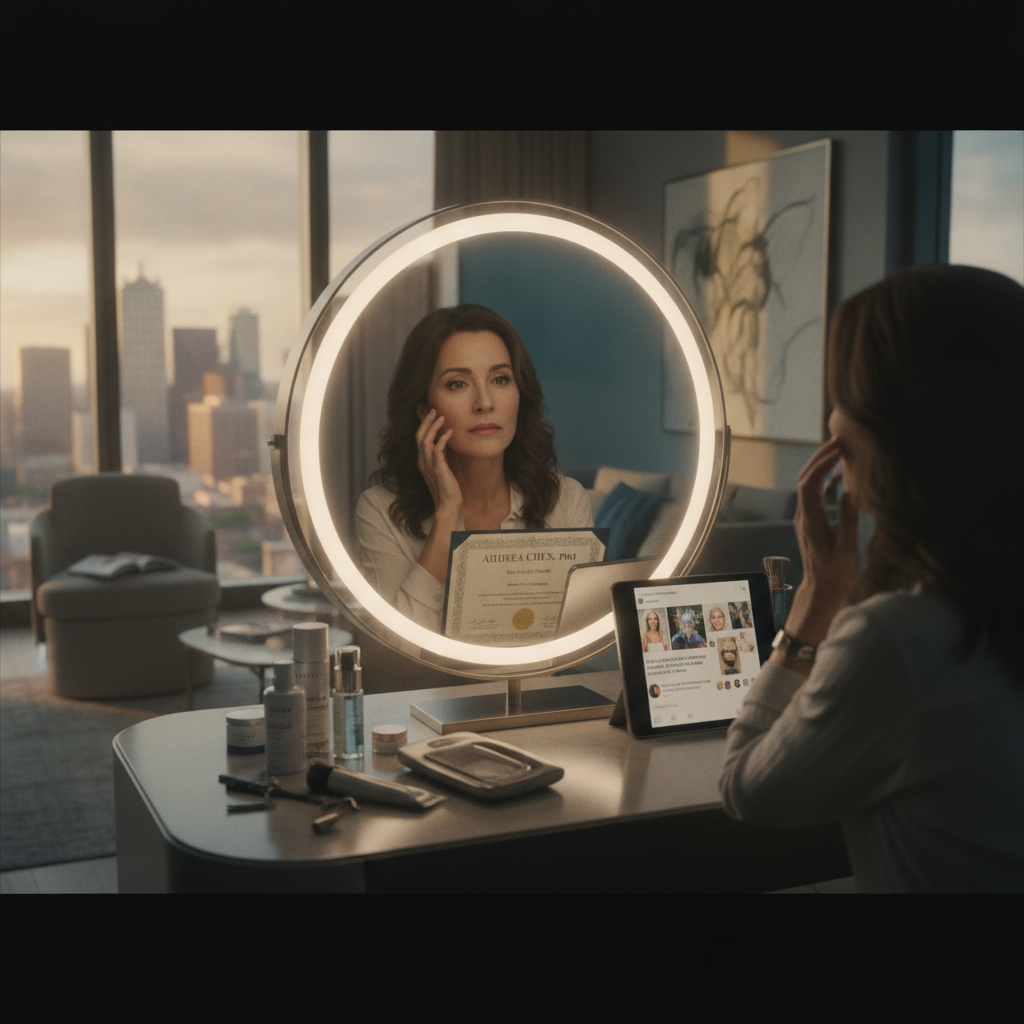
This article critically examines the pervasive societal pressure to combat aging, exemplified by individuals like Andrea, a PhD holder in her late 40s, who feels compelled to undergo cosmetic procedures despite her feminist convictions due to palpable societal pressures in cities like Dallas. It highlights how this 'anti-aging' culture, fueled by scientific advancements and strategic marketing, has fostered a widespread desire for 'permanent personhood,' where individuals strive to maintain a youthful self-concept. Dr. Sarah Lamb's ethnographic research further illuminates the frustration with the concept of 'successful aging,' which subtly implies that one can 'fail' at growing old gracefully. The piece traces the historical evolution of attitudes towards aging, from a period of reverence for elders in the 1600s-1700s to the emergence of negative age stereotypes post-industrialization in the 1800s. It discusses how scientific milestones, from Elie Metchnikoff coining 'gerontology' to Dr. Robert Havighurst's 'successful aging' concept, inadvertently set the stage for aging to be perceived as a condition to be battled. Modern 'longevity culture,' championed by prominent figures like geneticist Dr. David Sinclair and the pursuit of 'reprogramming cells,' is presented as a contemporary manifestation of ageism, often cloaked in scientific terminology. Cultural critic Jessica DeFino points out that terms like 'pro-aging' or 'preventative aging,' adopted by the multi-billion dollar industry after Allure magazine's 2017 decision to drop 'anti-aging,' are merely linguistic pivots, with the underlying objective remaining the same: to halt normal biological processes. The article explores the mainstreaming of anti-aging science, including the off-label use of drugs like Metformin and Rapamycin, increasingly funded by Silicon Valley. Psychologically, this obsession is linked to a desire for control amidst global chaos and a widespread societal fear of the end of the world. Internalized ageism is now manifesting in younger generations, with pre-teens and early twentysomethings adopting anti-wrinkle routines and engaging in ageist self-talk. Social media further amplifies these ideals, packaging 'permanent youthfulness' as 'self-care.' The article concludes by advocating for a rejection of anti-aging rhetoric, emphasizing that 'anti-aging is anti-life' and urging a cultural shift towards embracing the natural process of aging, with its inherent losses and accumulated wisdom, rather than viewing it as a flaw to be fought.