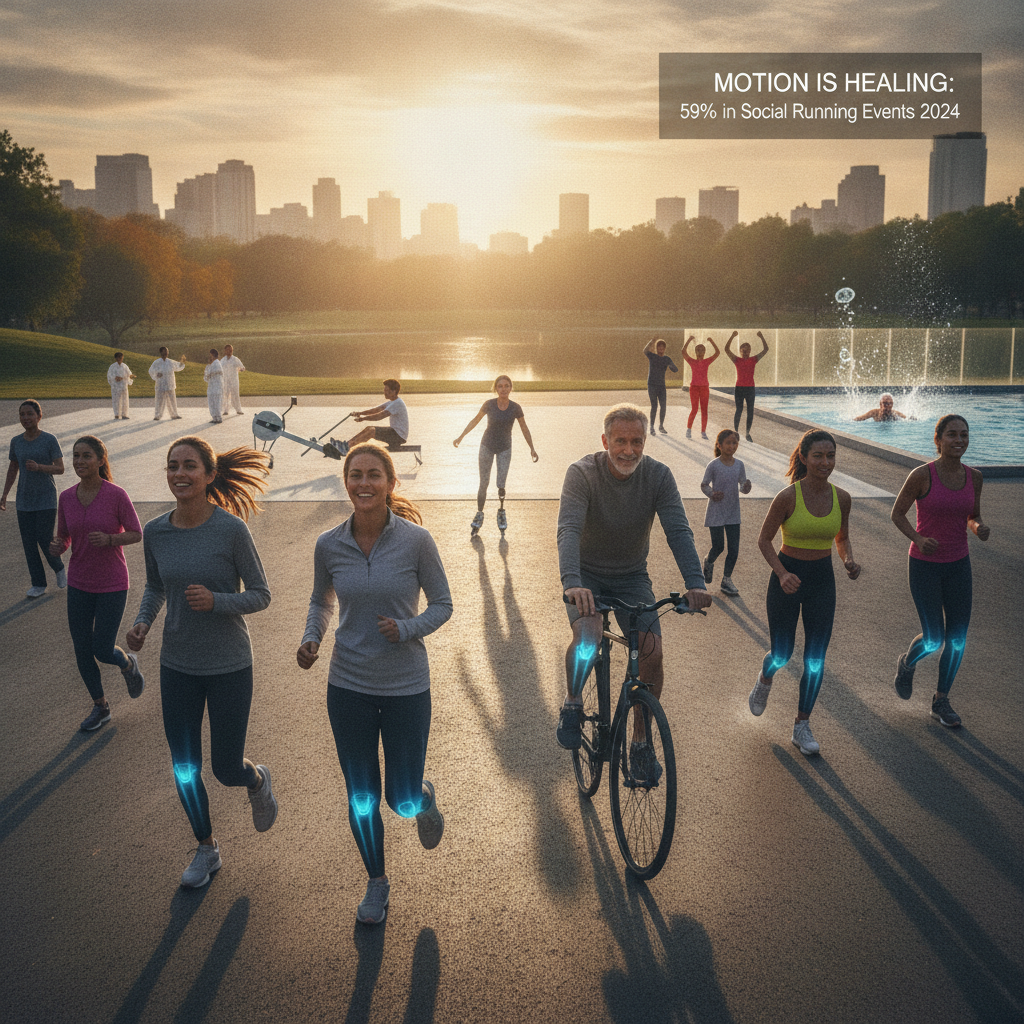
Running's popularity is surging, but its impact on joints remains a top concern. While new studies suggest recreational running might even strengthen cartilage, experts caution those with existing joint issues. This article delves into how running affects lower-body joints, identifies signs of unhealthy joints, and offers expert-backed, joint-friendly cardio alternatives like cycling, swimming, rowing, and more to keep you active without pain.
The 'runner’s high' is increasingly contagious, evidenced by a 59% rise in social running event attendance via Strava in 2024 and significant increases in marathon applications for London (40%) and New York City (20%). Millions of Americans regularly run, but the sport's reputation for being tough on joints often deters potential participants. While a 2023 study found little relationship between recreational running and hip or knee arthritis, and some research suggests running impact can fortify cartilage, experts advise caution for individuals with pre-existing joint issues. Running involves repetitive pressure of three to four times your body weight with each step, commonly leading to pain in knees, hips, ankles, feet, and lower back if muscles aren't adequately prepared. Unhealthy joints can manifest as injuries (e.g., torn meniscus, hamstring strains, Achilles tendinitis, shin splints, plantar fasciitis, stress fractures) or conditions like osteoporosis, osteoarthritis, and inflammatory arthritis, where cartilage breakdown exposes bone to stress. Persistent pain, swelling, or constant reliance on painkillers are signs to consult a healthcare provider. For those needing alternatives, experts emphasize that motion is healing, as it releases lubricating synovial fluids. Diversifying exercise across strength, cardio, balance, and mobility/flexibility is crucial. Joint-friendly cardio options include: Cycling, excellent for range of motion and stimulating synovial fluids with adjustable resistance; Rowing, a low-impact full-body workout beneficial for hips, core, and upper body with adjustable intensity; Swimming, ideal for those with swelling, offering minimal joint stress, full-body benefits, and hydrostatic pressure to reduce swelling (though less for bone/muscle strength); Incline walking, a load-bearing exercise that builds bone density while reducing harsh impact and increasing heart rate; Booted activities like rollerblading, ice skating, or cross-country skiing, which provide ankle support, eliminate heel strikes, and offer a full-body workout with minimal stress; and various Dance classes (Latin, hip-hop, house, ballroom, Zumba), which provide cardio and fun with typically lower-impact modifications. The key is to find activities that keep you moving and strengthen your body without overstressing your joints.