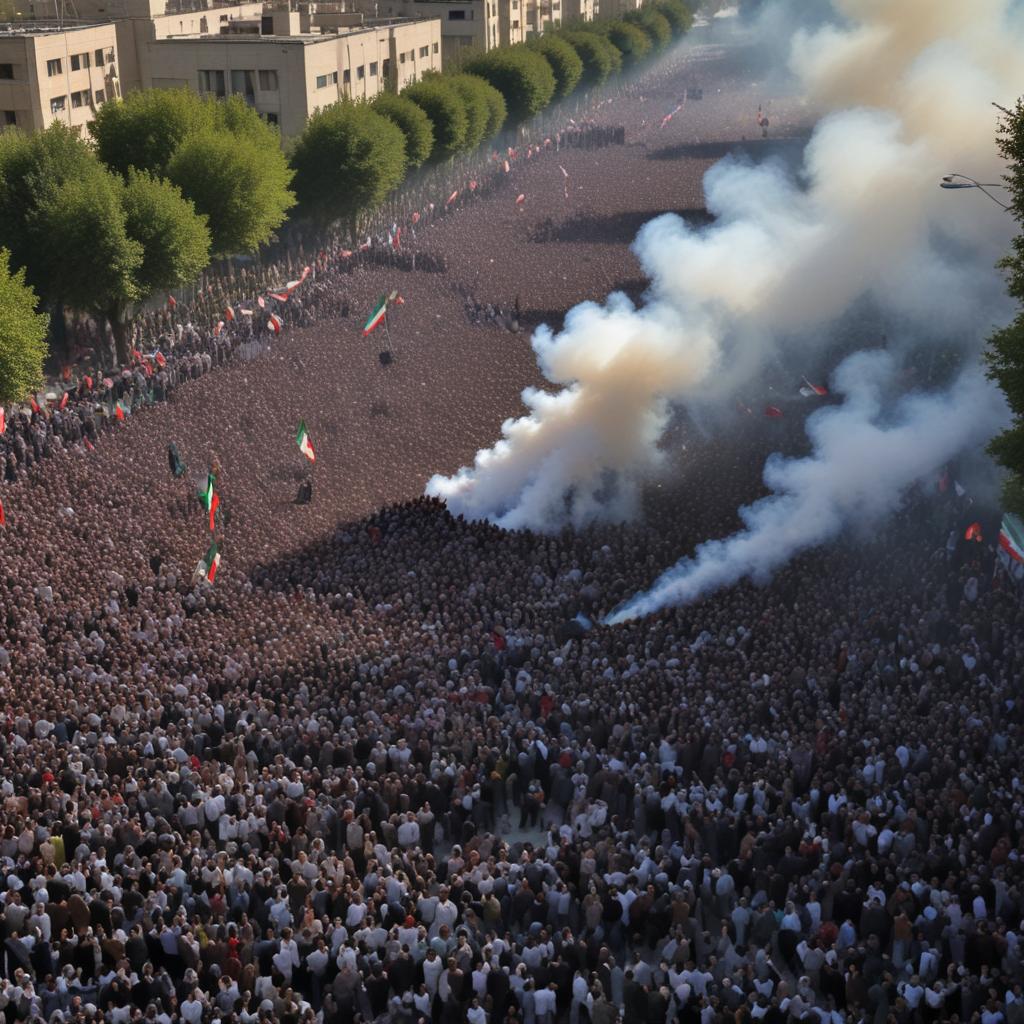
Iran faces mounting pressure from widespread protests fueled by a spiraling economic crisis, including a free-falling currency and high inflation. Compounding its internal struggles, Iran's regional 'Axis of Resistance' has been decimated by recent conflicts, while its nuclear program remains a global concern amidst heightened tensions with the U.S. and Israel.
Iran's theocratic government is under severe strain due to widening protests sparked by a dire economic situation. The rial currency has plummeted to 1.4 million to $1, inflation is at 40%, and recent increases in subsidized gasoline prices have exacerbated public anger. Demonstrations, initially focused on economic grievances, have spread to over 170 locations across 25 provinces, with reports of at least 15 deaths and over 580 arrests. The protests continue despite Supreme Leader Ayatollah Ali Khamenei's warnings. Externally, Iran's self-described 'Axis of Resistance' has been significantly weakened, with Hamas crushed, Hezbollah's leadership targeted, Syria's Assad overthrown, and Houthi rebels under attack. The capture of Venezuelan ally Nicolás Maduro by U.S. forces further isolates Tehran, which has responded with warnings against U.S. and Israeli military action. Adding to the crisis, Iran's nuclear program remains a point of international contention. Despite insisting on its peaceful nature, Iran had been enriching uranium to near weapons-grade levels before a June U.S. attack on its nuclear sites. While Iran recently announced it halted enrichment, signaling openness to negotiations, no significant talks have occurred since the June war. The U.N. reimposed sanctions in September, further intensifying economic pressure. U.S.-Iran relations, historically turbulent since the 1979 Islamic Revolution, are at a peak of tension, with the U.S. warning Iran against harming peaceful protesters.