Dating apps are transforming how we find love, with books becoming powerful 'green flags' and 'red flags' that signal compatibility, taste, and worldview. But this shortcut comes with risks, from performative reading to class bias.
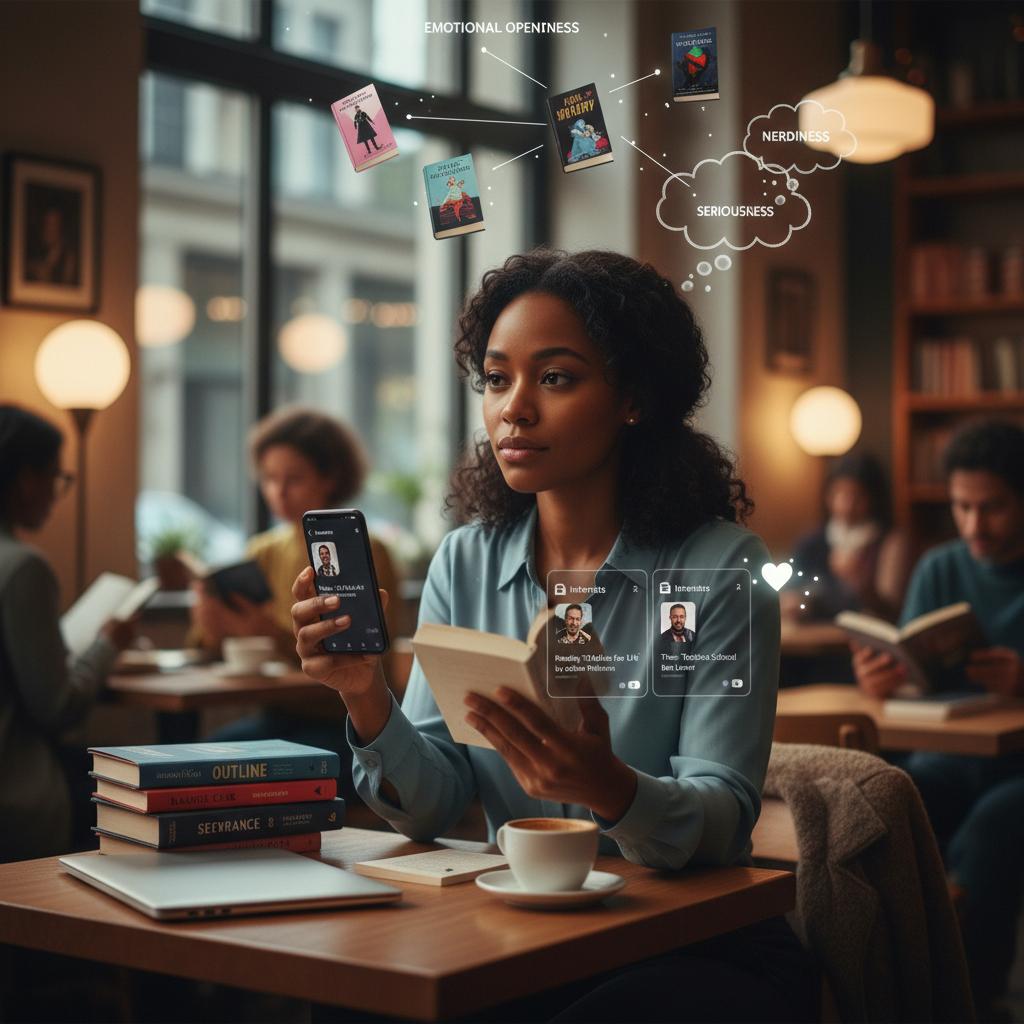
In the fast-paced world of online dating, books have emerged as a crucial shorthand for assessing potential partners. Daters like 29-year-old Ayo use reading preferences—such as swiping left on Jordan Peterson fans and right on those who appreciate authors like Ben Lerner or Sheila Heti—to quickly gauge compatibility. This trend is supported by platform data: Tinder, Feeld, and Hinge all show a significant increase in book mentions and a correlation between shared reading interests and meaningful connections. Books act as a 'compressed CV,' with genres signaling traits like emotional openness (romance), nerdiness (sci-fi), or seriousness (modernism). However, this reliance on literary taste presents a paradox: books can be both a genuine reflection of self and a strategic performance. Examples abound of daters whose carefully curated literary images—from running a 'Ulysses' book group to displaying feminist texts—crumble in real-life encounters. Experts warn of the downsides, including the risk of classism by excluding those who read less or different material, and the danger of turning dating into a consumer exercise where minor mismatches lead to instant rejection. While 'red flag' discourse can be useful for harmful behaviors, applying it too broadly to reading preferences can hinder the development of complex, evolving relationships.