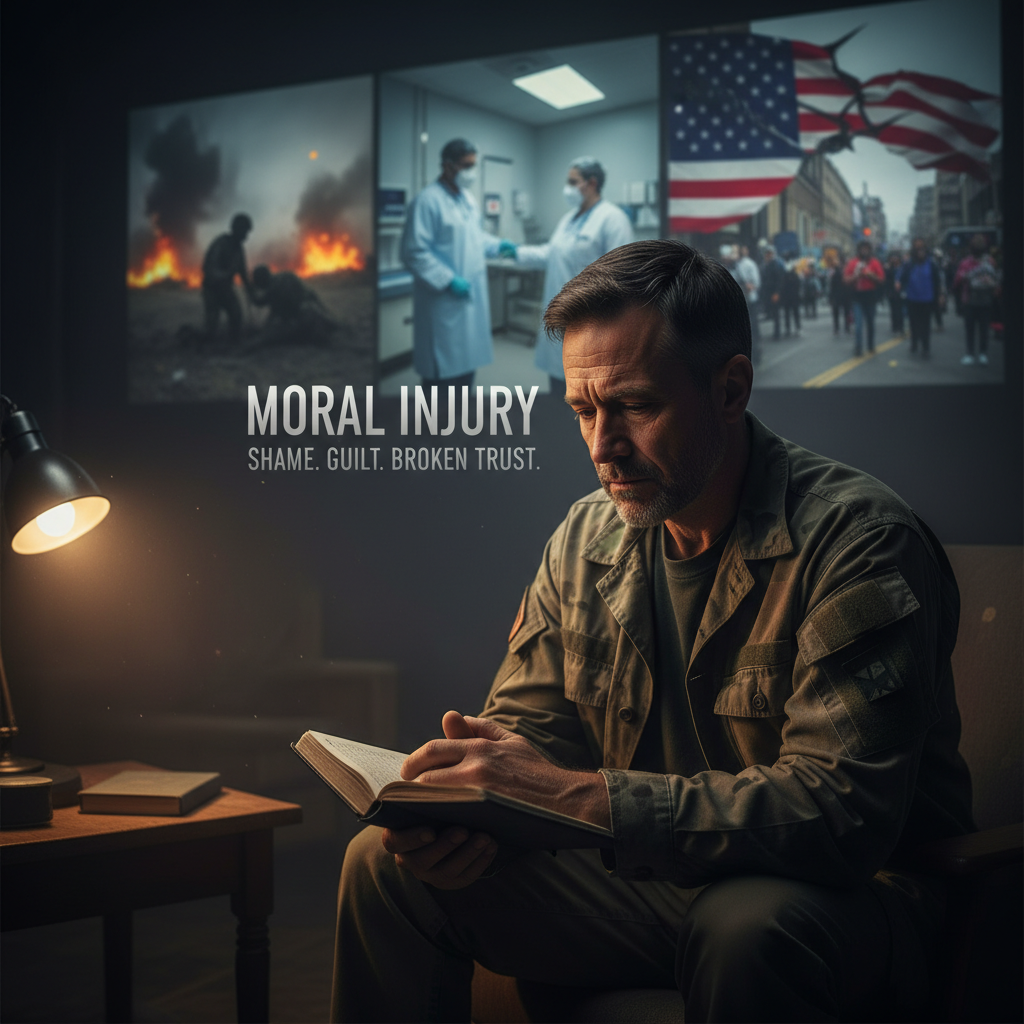
Moral injury, a profound psychological harm from actions contradicting deep convictions, is now formally recognized. Learn how it affects millions, from soldiers to everyday citizens, and discover how to heal this silent suffering.
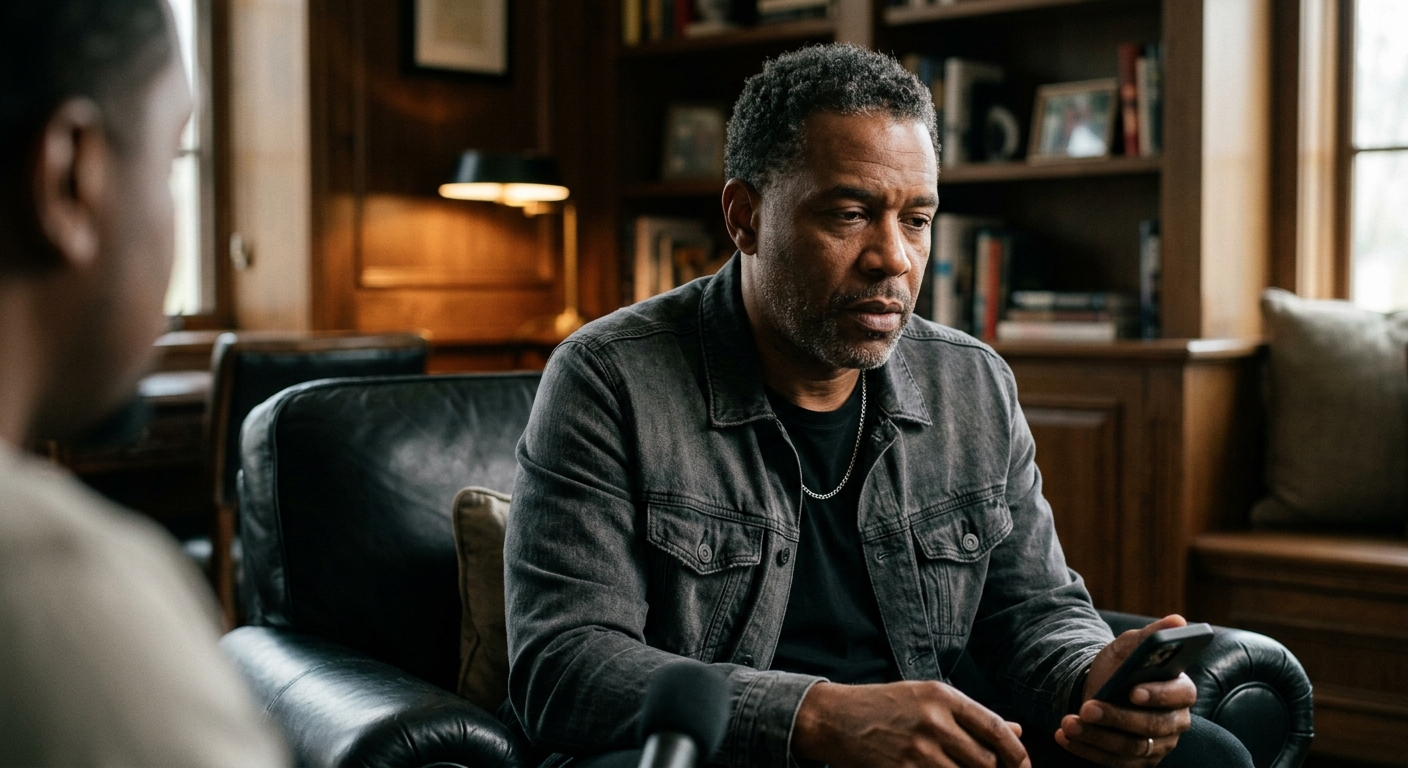
Moral injury occurs when individuals are forced to act in ways or witness actions that violate their most deeply held convictions, leading to profound psychological harm. This condition, distinct from depression or PTSD, can arise from single catastrophic events like war or a slow accumulation of moral distress in professions such as slaughterhouses or prisons. Michael Valdovinos, a former US military psychologist and author, highlights its formal recognition by the American Psychiatric Association in the DSM under 'moral problems,' marking a significant shift in clinical frameworks. Valdovinos shares his own experience of moral injury during his deployment in Afghanistan and notes its prevalence among medics during the Covid-19 pandemic. He emphasizes that moral injury is not exclusive to the military but affects anyone repeatedly exposed to actions violating their moral framework without agency to change it. Valdovinos suggests that the current political climate in the US is causing widespread moral distress, impacting leaders, executives, and everyday citizens. Symptoms often include sadness and feeling like a 'bad person.' While national prevalence numbers are still emerging, estimates suggest 3-7% of US adults may experience clinical symptoms annually. Healing involves acknowledging shame and guilt, and crucially, seeking support within a community. Valdovinos also discusses collective moral injury, where violations of decency and societal norms can destabilize individuals' sense of self and values, particularly affecting older generations. He advises proactive, empathetic engagement—listening and asking questions—to help those suffering find psychological safety and begin the healing process.