Since gaining independence, South Sudan has been plagued by almost non-stop conflict, marked by internal strife, ethnic divisions, and a devastating cycle of violence and famine, often exacerbated by its own leadership.
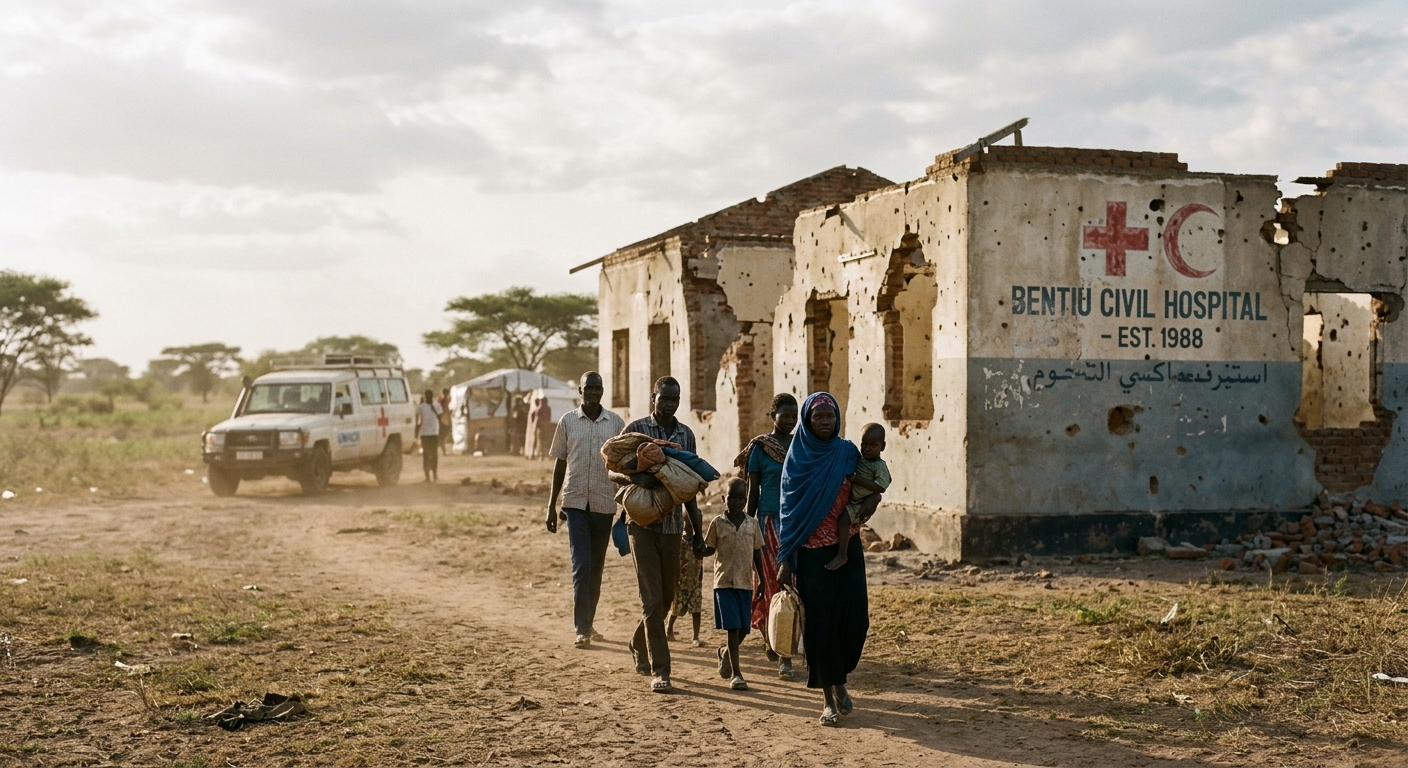
South Sudan has endured an almost continuous state of conflict since Sudan's independence in 1956. Initially, the struggle was for separation from the Arab-ruled, Muslim-dominated north, with the Christian and animist southerners fighting for autonomy. However, much of the devastation in the 1980s and 90s came from internal conflict within the Sudan People’s Liberation Army (SPLA), primarily between the Dinka ethnic group led by John Garang and the Nuer faction led by Riek Machar, causing more deaths through internecine fighting and famine than direct combat with the north. The north often exploited these divisions by funding breakaway southern groups. Post-independence, the civil wars have continued between Garang's successor, President Salva Kiir, and his rival Riek Machar. Recent fighting erupted after Machar's detention for treason, leading to government forces bombing hospitals in rebel-held areas and threatening entire communities. A 1990s UN report revealed that approximately 80% of humanitarian aid from Operation Lifeline Sudan was diverted by SPLA rebels. This history has cultivated a culture where former rebel leaders now in government view themselves as entitled to national revenues, mirroring their past entitlement to global taxpayer funds during the liberation war.