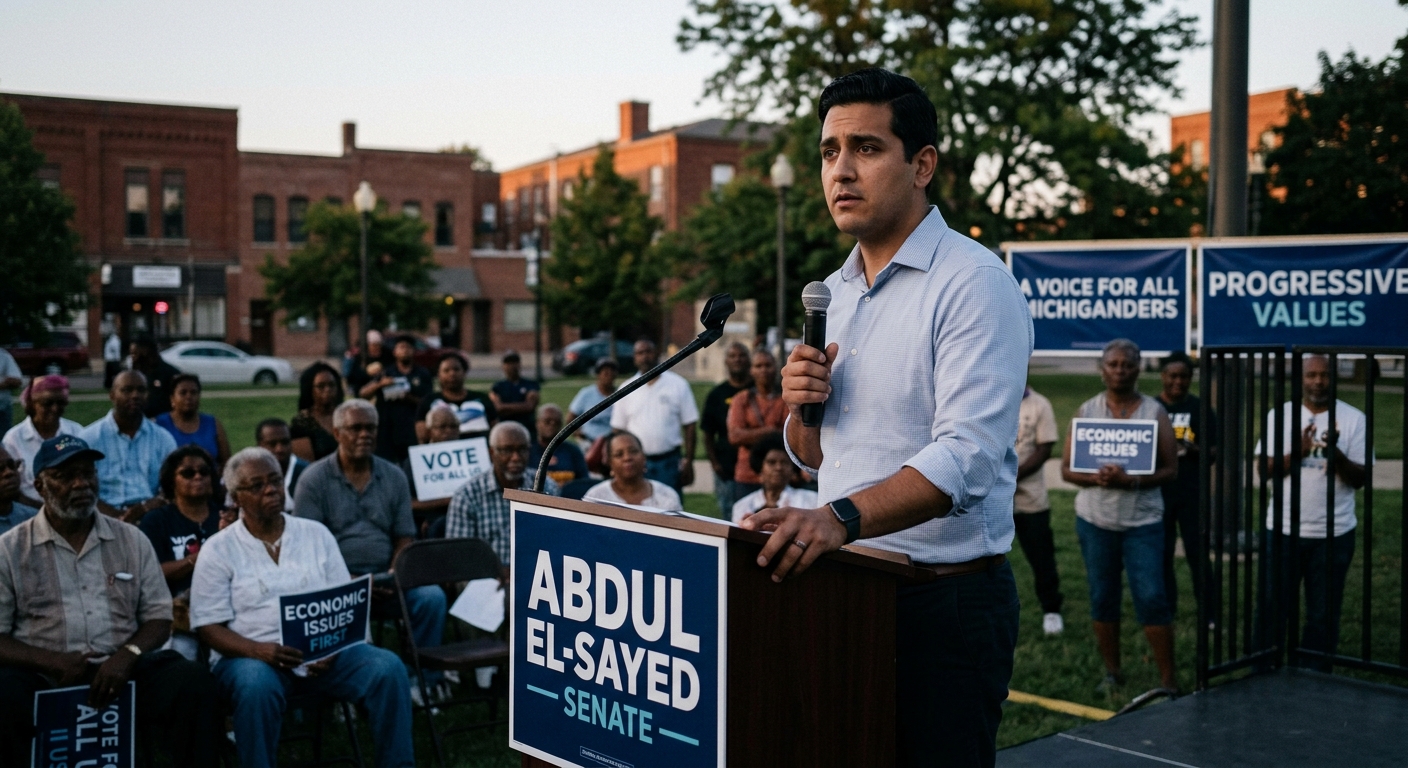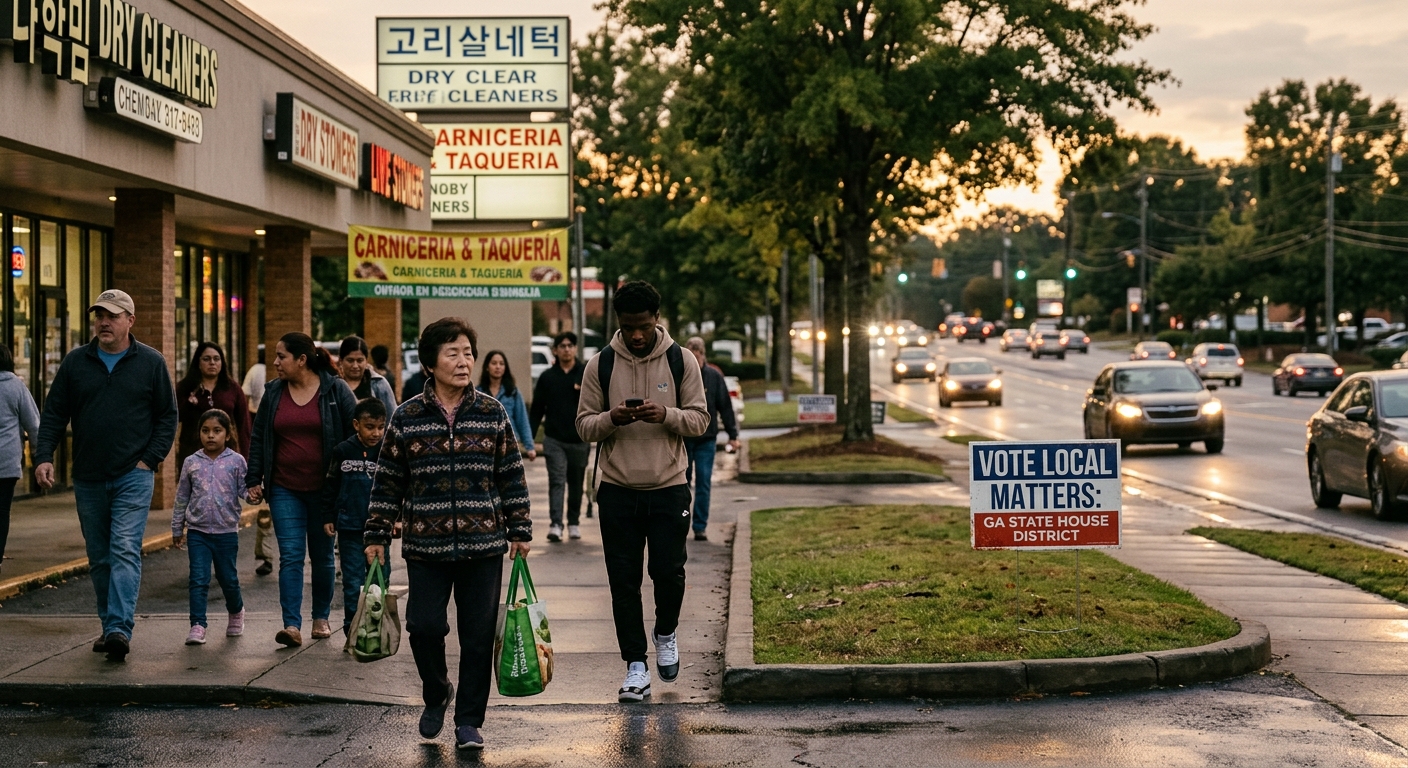
Gwinnett County, Georgia, a highly diverse region with a significant immigrant population, is emerging as a critical swing area that could decisively influence state and national elections. Its complex electorate, often prioritizing local issues like affordability over broader political narratives, makes its voting patterns unpredictable and vital for both parties.
Gwinnett County, Georgia, stands out as one of the United States' most ethnically diverse counties, with an 84.9% chance that two randomly selected residents will belong to different racial or ethnic groups. This demographic richness, comprising 30.6% white, 27.8% Black, 23.7% Hispanic, 13.2% Asian, and 4.0% multiracial populations (2020 census), is augmented by a substantial foreign-born population, making it a pivotal political battleground. The county's rapid population growth, driven by both immigration and its top-ranked school system, positions it to potentially flip control in critical elections, including Georgia's US Senate race and the state legislature. The political landscape in Gwinnett is nuanced; immigrant communities are not a monolithic voting bloc. While some business owners, like Korean immigrant Johanna Park, express concerns about the economy and immigration policies (e.g., ICE's "Operation Safe Community" arrests), they tend to be split, with many leaning Republican for tax benefits. However, their children, often highly educated, increasingly lean Democratic. Younger Korean Americans, like Elliot Kim, exemplify this shift away from their parents' conservative, church-affiliated leanings. Local issues, particularly affordability (property tax relief, lowering insurance prices, gas and grocery costs), resonate strongly with Gwinnett voters, often taking precedence over national political narratives or figures like Donald Trump. This focus makes local races highly competitive, as seen with Republican Matt Reeves emphasizing affordability in his vulnerable State House seat and State Senator Adrienne White Carden noting property taxes as a major concern. Democratic activists are highly motivated to contest these local seats, aiming to shift the balance of power in the state legislature. Gwinnett's unique blend of diverse demographics, economic concerns, and evolving political loyalties makes it a crucial and unpredictable indicator for future electoral outcomes.