Discover the tumultuous origins of Paul Simon's iconic 'Graceland' album. Born from personal turmoil, a chance encounter with South African music, and recorded amidst apartheid, this genre-defying masterpiece sparked both global acclaim and lasting controversy over cultural appropriation and artistic collaboration.
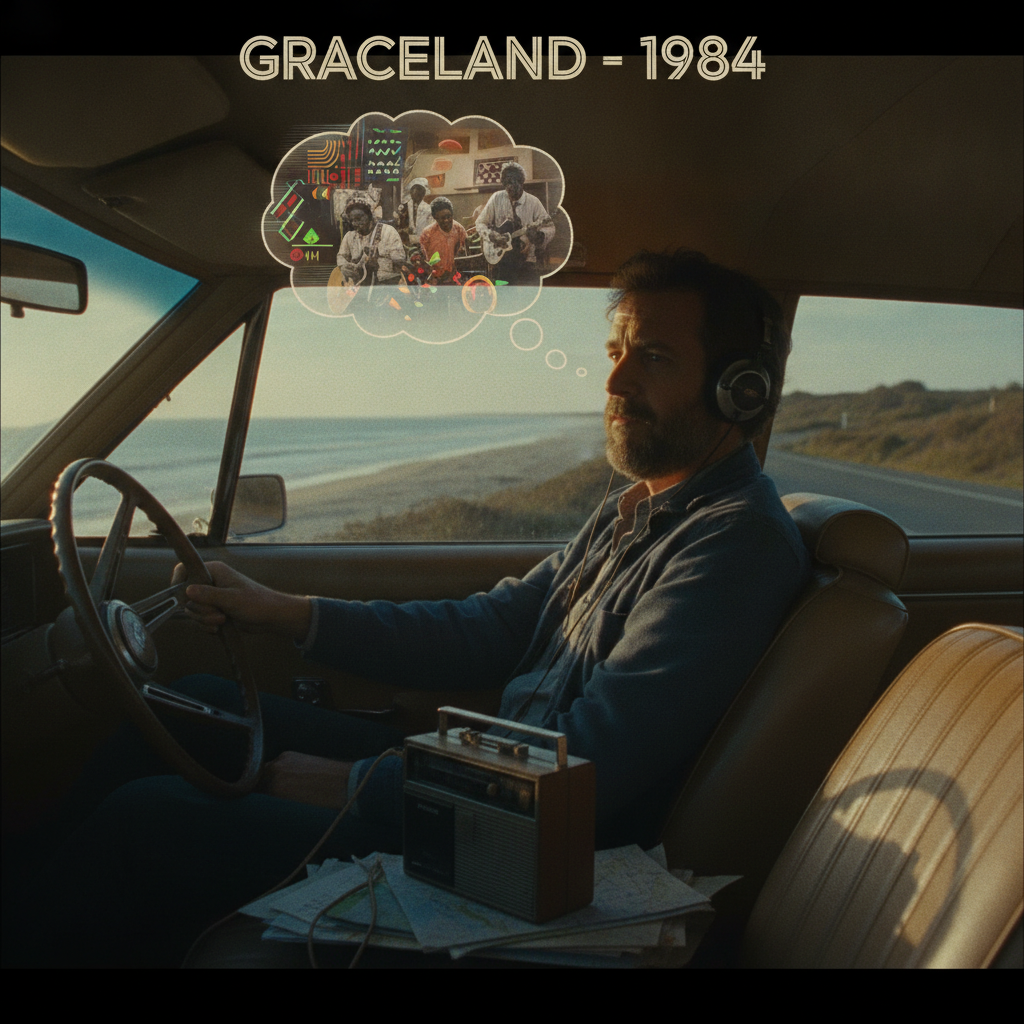
Paul Simon's seminal album, 'Graceland,' was conceived amidst a period of significant personal and professional turmoil in 1984, including a failed Simon and Garfunkel tour, poor album sales, and a dissolving marriage to Carrie Fisher. During this time, Simon found inspiration in a bootleg tape of South African mbaqanga music, which he listened to during drives to his Long Island beach home. This South African sound, characterized by jazz rhythms and bright guitar chords, became the catalyst for 'Graceland,' an album renowned for its nimble, ecstatic quality and its fusion of 'township jive' with Simon's own influences. The recording process involved Simon booking jam sessions in Johannesburg in 1985 with various South African bands, developing melodies and lyrics by building songs 'from the rhythm up'—a profound shift in his creative approach. The album also features collaborations with American artists like zydeco group Rockin' Dopsie and Los Lobos. The sessions in apartheid-era South Africa were fraught with the harsh realities faced by Black musicians, who were restricted by segregation laws. Simon faced immediate criticism, including from the manager of the Soul Brothers, for potentially violating the UN's cultural boycott against apartheid. While Simon maintained he paid musicians triple the US union rate and believed in art's power over laws, he was initially censured by the UN before clarifying his intent was to record, not perform. Despite ongoing debates about songwriting credits and cultural appropriation—with critics questioning Simon's 'taking over' of Black music and advocates praising his role in elevating South African artists like Ladysmith Black Mambazo—'Graceland' endures. Lyrically, the album subtly reflects the anxieties of his South African experience while primarily exploring Simon's personal qualms: his failed marriage, feelings of being 'washed up,' and worries about the information age. The title track itself, 'Graceland,' evolved from a placeholder into a figurative destination for healing a broken heart. Further production and collaborations took place in the US, bringing South African musicians to New York and involving artists like Adrian Belew and Steve Gadd. Released in August 1986, 'Graceland' was not an immediate sensation but gained momentum through critical acclaim, Grammy wins, and eventually, the success of singles like 'You Can Call Me Al,' becoming a genre-defying 'unicorn' that continues to spark important conversations about music, culture, and social justice.