Combat age-related muscle loss and boost your health with expert-backed strength training tips for women over 40. Learn about essential equipment, effective exercises, and crucial recovery methods to build strength at any age.
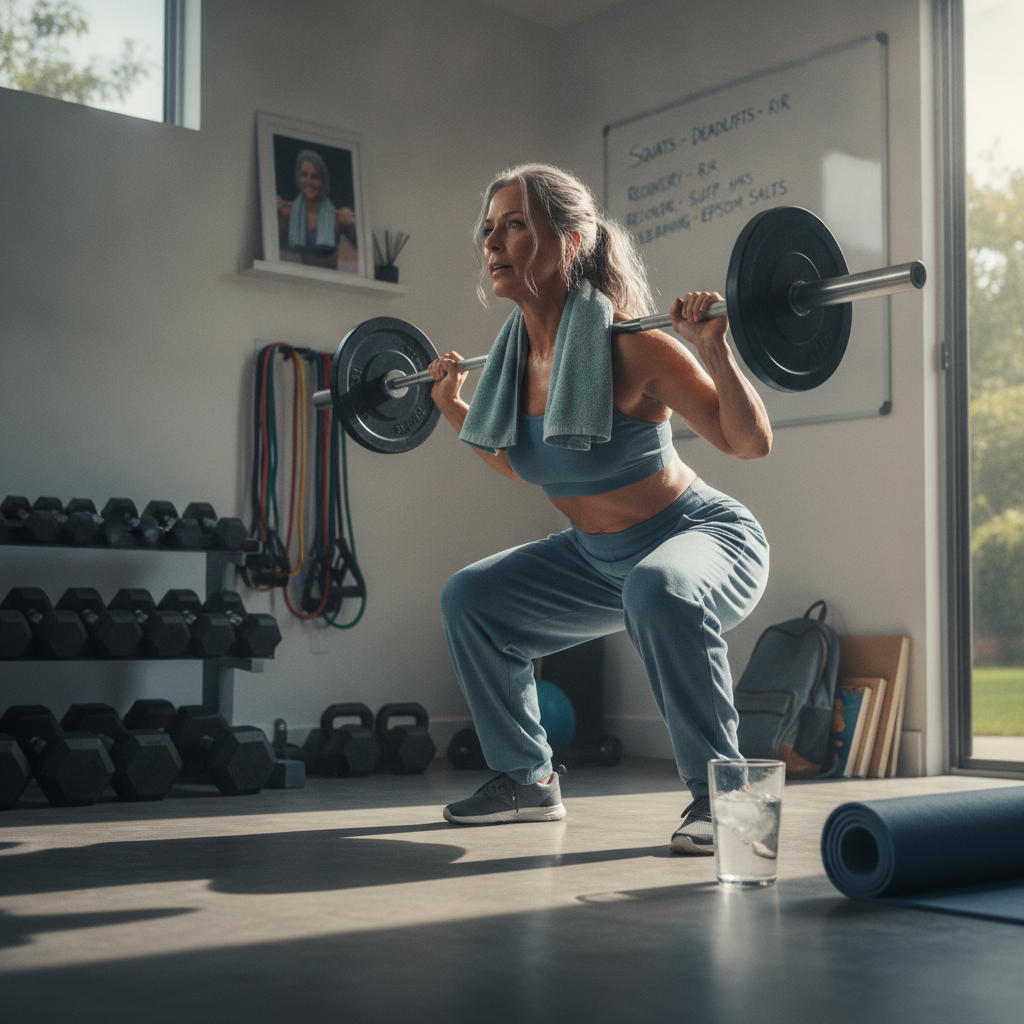
After age 40, women experience significant muscle loss (sarcopenia), which accelerates after 50 and is further complicated by perimenopause. However, this article emphasizes that strength training remains crucial and highly beneficial, even for late starters. Experts like Leigh Breen highlight that regular resistance training drastically reduces the risk of noncommunicable diseases such as type 2 diabetes, cardiovascular disease, and Alzheimer's. Beyond physical health, building strength later in life offers profound empowerment. The guide features advice from renowned female personal trainers and bodybuilders over 40, including Stephanie Gaudreau, Anne Marie Chaker, Caroline Idiens, and Kate Whetsel. They advocate for simple, accessible routines, stressing that expensive equipment isn't necessary. Recommended home essentials include a few sets of dumbbells and resistance bands, deemed "the most underrated fitness gadget" by Caroline Idiens. Household items like backpacks filled with books can also serve as weights. Key workout strategies include focusing on compound exercises like squats and deadlifts, which engage multiple muscle groups and improve cardiovascular health and flexibility. Experts advise slowing down the eccentric (lowering) phase of movements and incorporating pauses for increased demand and body awareness. Bodyweight exercises are also effective, with the goal of finishing with "reps in reserve" (RIR) for optimal results. Modifications for exercises are encouraged, not seen as weakness, to accommodate individual mobility and prevent injury, with suggestions like squatting to a bench or using push-up handles. For women navigating perimenopause, tips include staying cool with ice water, loose clothing, well-ventilated spaces, and cooling towels. Crucially, recovery is highlighted as an integral part of the workout process. Experts recommend calming exercises like box breathing or yoga, prioritizing 8 hours of sleep, and using Epsom salt baths to relax sore muscles and aid sleep, especially given the age-related decline in estrogen which impacts stress hormone regulation.