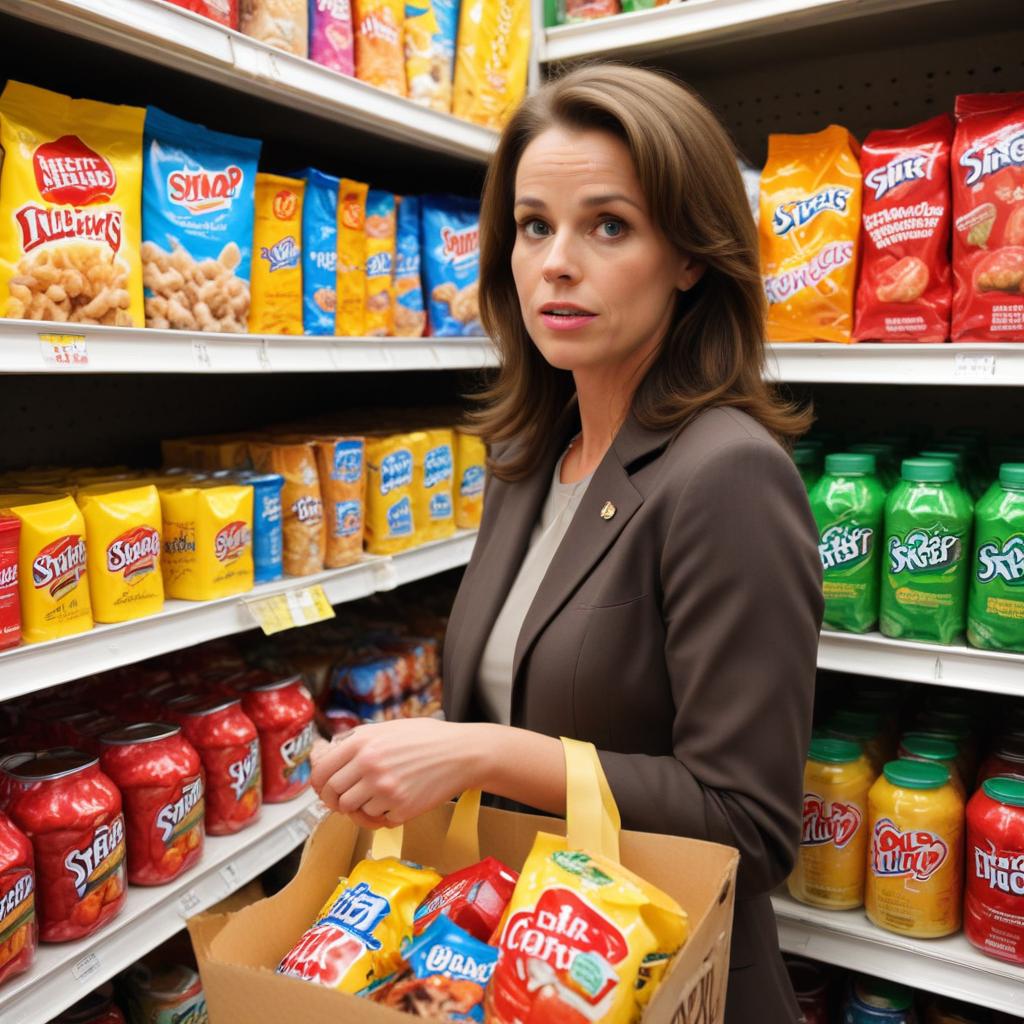
Five states are implementing new restrictions on SNAP benefits, prohibiting the purchase of 'unhealthy' foods like soda and candy, as part of a federal push to reduce chronic diseases. This move faces criticism from retailers and advocates over implementation challenges, cost, and potential negative impact on recipients.
Starting Thursday, five states—Indiana, Iowa, Nebraska, Utah, and West Virginia—are enacting waivers that restrict the use of Supplemental Nutrition Assistance Program (SNAP) benefits for purchasing certain 'unhealthy' foods, including soda and candy. This initiative, spearheaded by Health Secretary Robert F. Kennedy Jr. and Agriculture Secretary Brooke Rollins, aims to combat chronic diseases like obesity and diabetes by preventing taxpayers from funding purchases that contribute to illness. At least 18 states are expected to follow suit. However, the changes are met with significant opposition and concerns. Retail industry and health policy experts warn of major implementation challenges, including a lack of clear food lists, point-of-sale technical issues, and potential costs of $1.6 billion initially and $759 million annually for retailers. Critics predict longer checkout lines, increased customer complaints, and rejections, leading to greater stigma for SNAP recipients. Anti-hunger advocates argue that these restrictions punish recipients and fail to address the root causes of health issues, such as the affordability of healthy food. The waivers mark a departure from decades of federal policy that allowed SNAP benefits for 'any food or food product intended for human consumption' (excluding alcohol and hot foods). Previous attempts to restrict purchases were denied due to concerns about cost, complexity, and uncertain effectiveness. While the second Trump administration encouraged states to seek these waivers, research remains mixed on whether such restrictions actually improve diet quality and health outcomes. The initial five states' waivers will affect approximately 1.4 million people and will run for two years, with an option for extension.