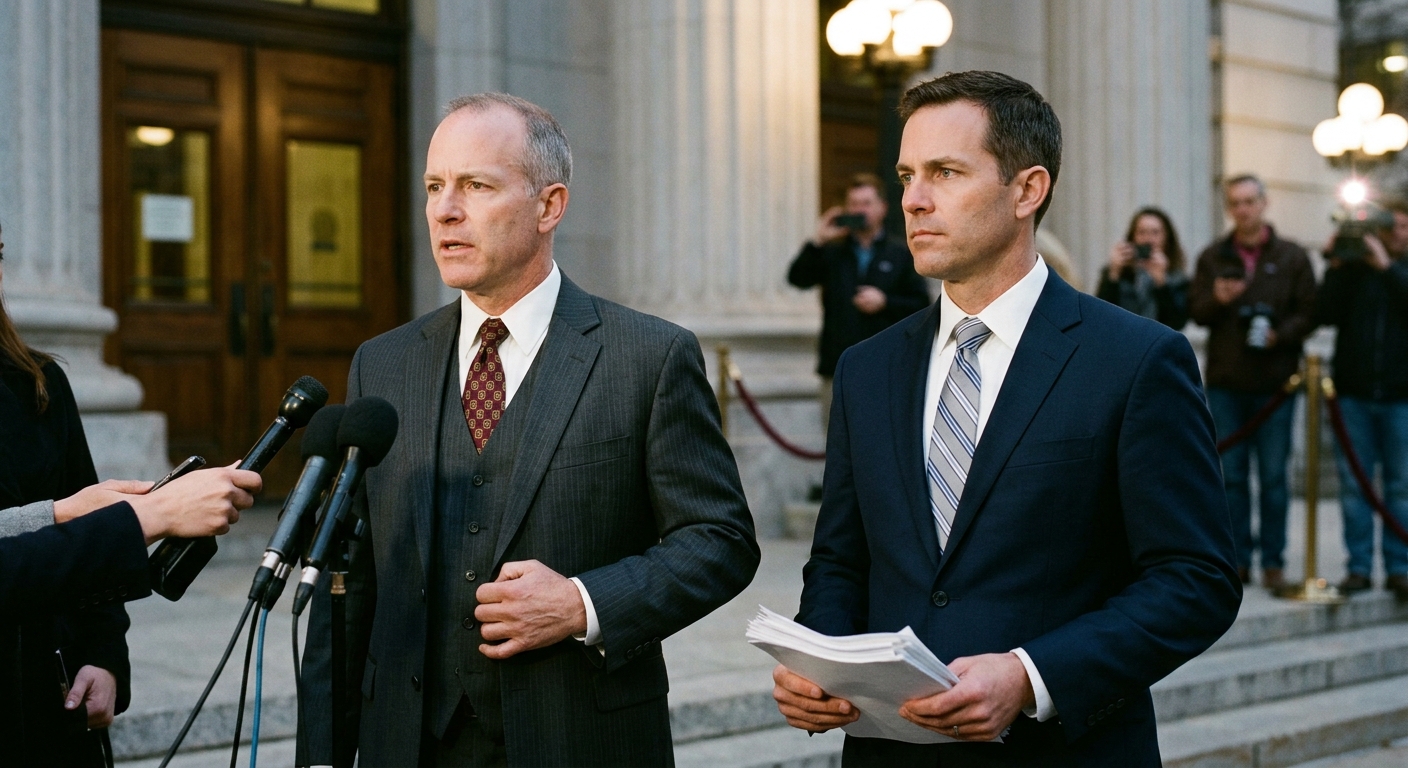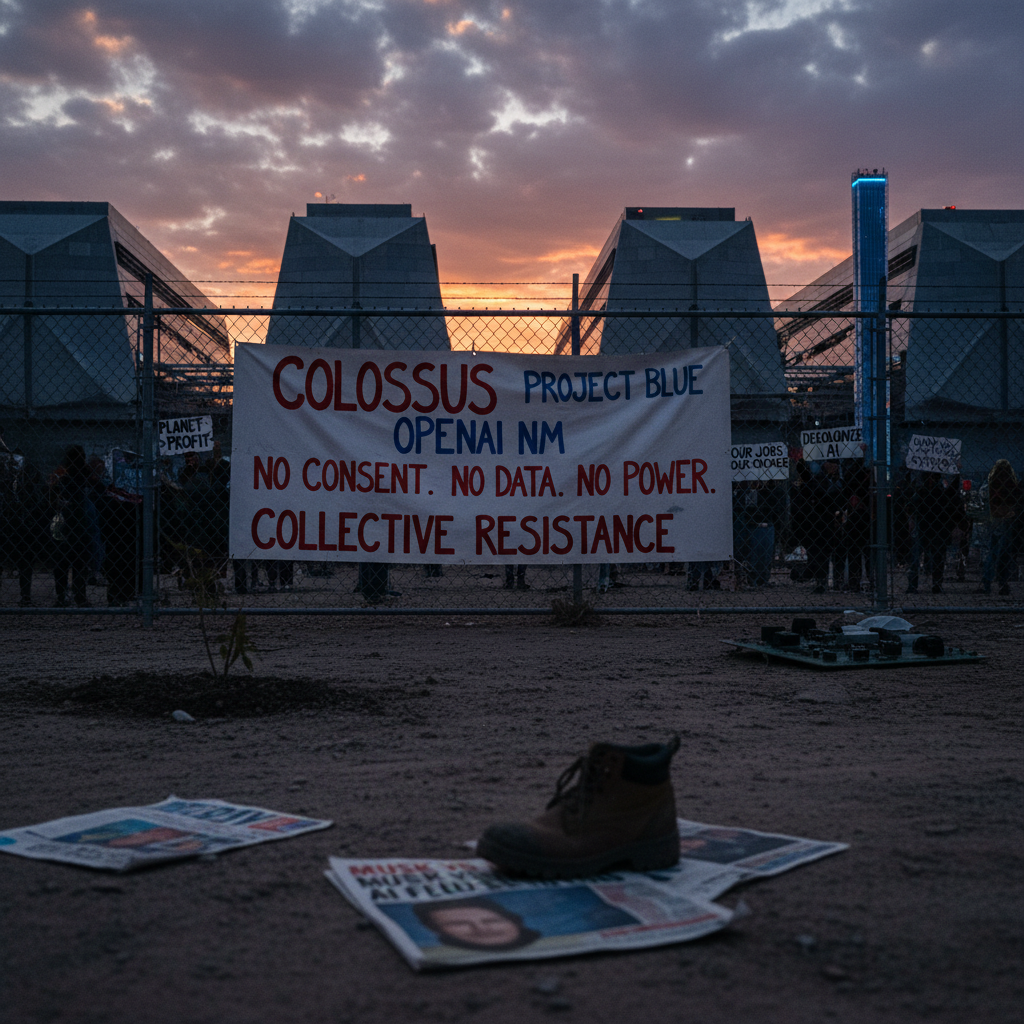
Elon Musk and Sam Altman's bitter feud over OpenAI's origins is just a dramatic sideshow, distracting from the AI industry's true imperialistic drive, resource consolidation, and the growing global resistance challenging its planet-consuming ambitions.
The article details the ongoing legal battle between Elon Musk and Sam Altman, co-founders of OpenAI, with Musk alleging they misled him about the organization's non-profit status before transitioning to a for-profit model. OpenAI refutes this, calling it an attempt to sabotage a competitor. The author, who has reported on OpenAI since 2019, argues that this high-profile feud, like many rivalries in the AI industry, is a distraction from more profound issues. The piece contends that focusing on individual personalities, such as Altman's trustworthiness or Musk's motivations, obscures the systemic problems inherent in the current AI race. These include the 'imperial drive' of AI companies to consolidate data and capital, their environmental impact, labor displacement, and their influence on state apparatuses. The article highlights that alternative, less resource-intensive AI development paths (e.g., specialized systems, mobile-based AI) are being stifled by the dominant 'scaling' paradigm, which prioritizes brute-force compute over innovative methods. This capital consolidation has led to a brain drain from academia to industry and diverted funding from other critical areas like climate tech. Crucially, the article emphasizes a growing global 'collective resistance' against this trajectory. Examples include datacenter protests in communities demanding transparency and accountability (like the proposed OpenAI supercomputing campus in New Mexico and Musk's Colossus in Tennessee, now used by Anthropic, and Amazon's Project Blue in Arizona), worker strikes across various sectors (healthcare, data moderation, creative industries), and pressure from educators, students, and victims. This widespread pushback is already impacting the industry, with significant infrastructure projects stalled or blocked and investors re-evaluating projections. The article cites OpenAI's shuttering of its Sora video-generation app as an example of how grassroots action, combined with financial and public perception challenges, can force the industry to scale back. The author concludes that true accountability and a different vision for AI development will emerge not from billionaire disputes, but from this collective, global resistance, which exploits the industry's dependence on vast resources as its greatest vulnerability.