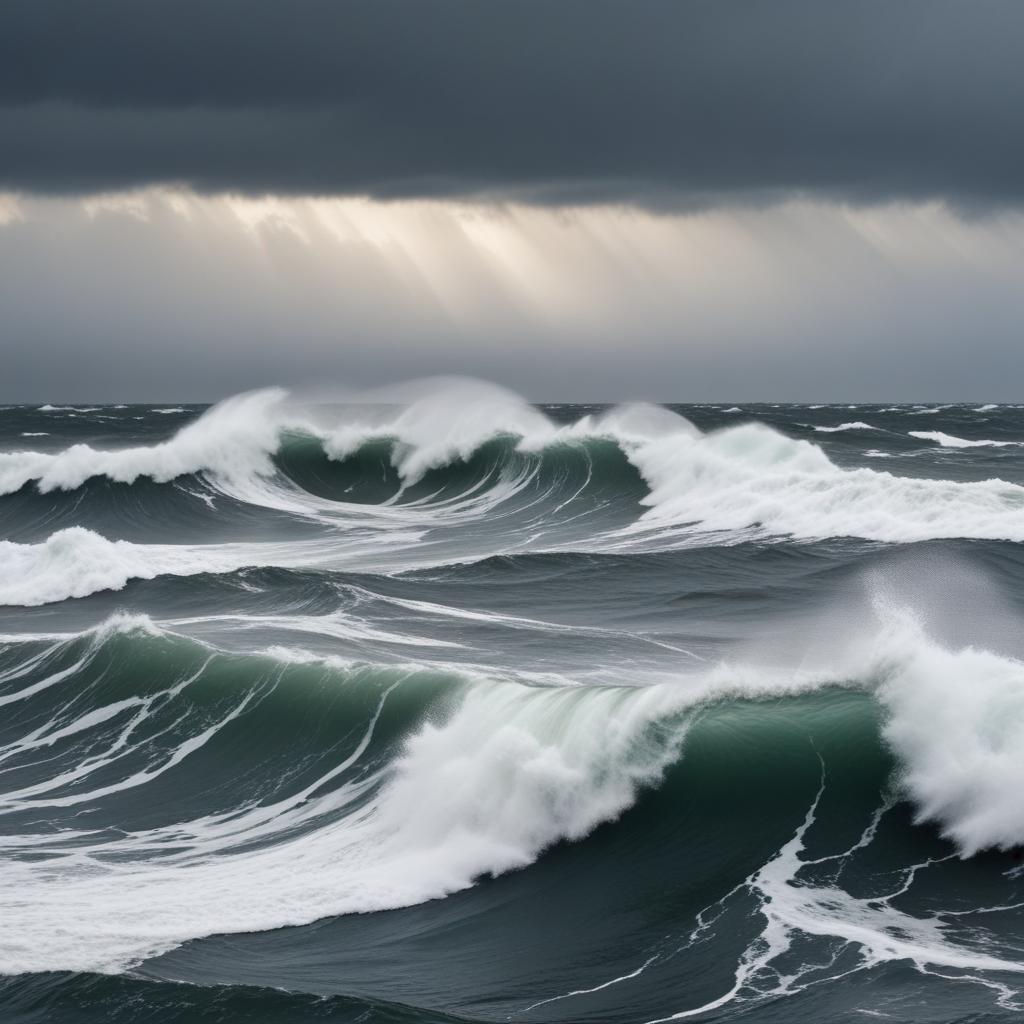
Gale warnings (and their land equivalent, high wind warnings) signal dangerous wind speeds over 35 knots, posing significant risks to boats, property, driving conditions, and human health due to wind chill and potential frostbite.
Winter weather frequently brings drastic changes, including storms and steeply declining temperatures, often accompanied by high winds strong enough to capsize boats or send objects flying. A gale warning is issued for communities near bodies of water (oceans, sounds, lakes) when sustained winds or frequent gusts exceed 35 knots (about 40 mph or 64 km/h). Over land, similar conditions are typically covered by high wind warnings. These warnings are critical because strong winds generate large waves that can damage or capsize vessels, especially smaller boats. Ashore, high winds can damage trees, roofs, and power lines, and even cause objects like trampolines to become airborne. Driving also becomes more perilous, increasing the risk of large trucks tipping over and making navigation difficult due to sudden gusts, slippery roads, or reduced visibility from blowing snow. Additionally, high winds amplify the cold, creating dangerous wind chill that can lead to frostbite at negative temperatures. Experts note that people often underestimate the severity of gale and high wind warnings compared to other weather alerts like winter storm or blizzard warnings. It is crucial to heed these warnings by staying away from the water, dressing warmly, securing outdoor items, and taking extra precautions if driving is unavoidable.