U.S. consumer prices climbed sharply last month, driven by soaring gasoline costs linked to the ongoing Iran war. This inflation is eroding wage gains, squeezing American households, and is poised to be a major political issue.
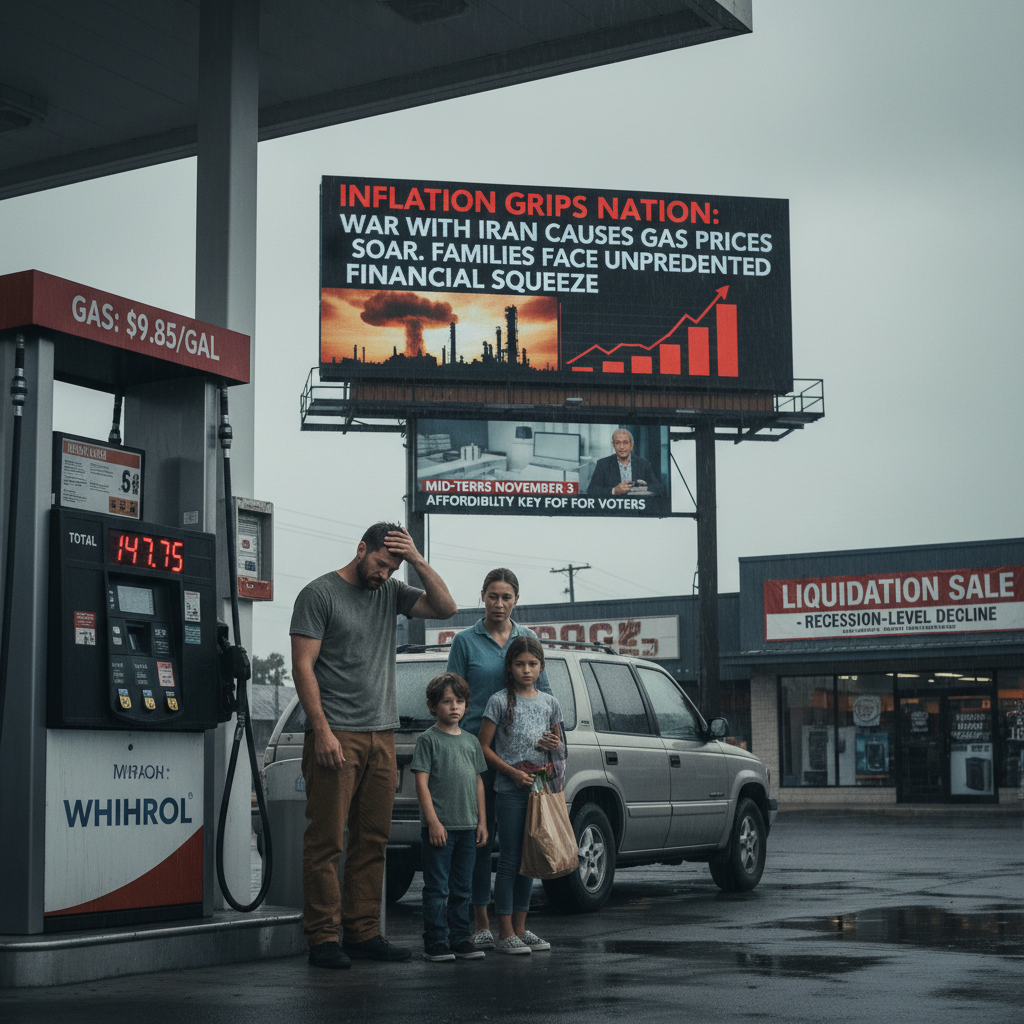
U.S. consumer prices increased significantly last month, primarily due to the 10-week war with Iran causing a sharp rise in gasoline prices and increased financial strain for Americans. While core prices, excluding volatile food and energy costs, rose more modestly (0.4% from March and 2.8% from April 2025), suggesting the energy price surge hasn't yet broadly impacted other goods, grocery prices still climbed 0.7% from March to April, with meat prices increasing after a slight decline. Inflation is now identified as the 'key drag' on the U.S. economy, as it's consuming all wage gains for the first time in three years, leading to a 0.3% year-over-year drop in average hourly wages after accounting for inflation. This creates a significant financial squeeze for middle-class and lower-income households. The surge in oil and gasoline prices is directly attributed to the conflict, which saw the United States and Israel attack Iran on February 28, followed by Tehran's closure of the Gulf of Hormuz. This recent spike reverses a trend of more or less steady inflation decline since its 9.1% peak in June 2022, though it had remained above the Federal Reserve's 2% target. The Fed, which had anticipated cutting its benchmark interest rate in 2026, is now cautious, awaiting developments in the conflict and potential broader inflationary impacts. Affordability is emerging as a crucial issue for voters in the upcoming November 3 elections. Companies like Whirlpool are reporting significant revenue drops and a 'recession-level industry decline,' while consumers are cutting back on discretionary spending due to higher costs for essentials.