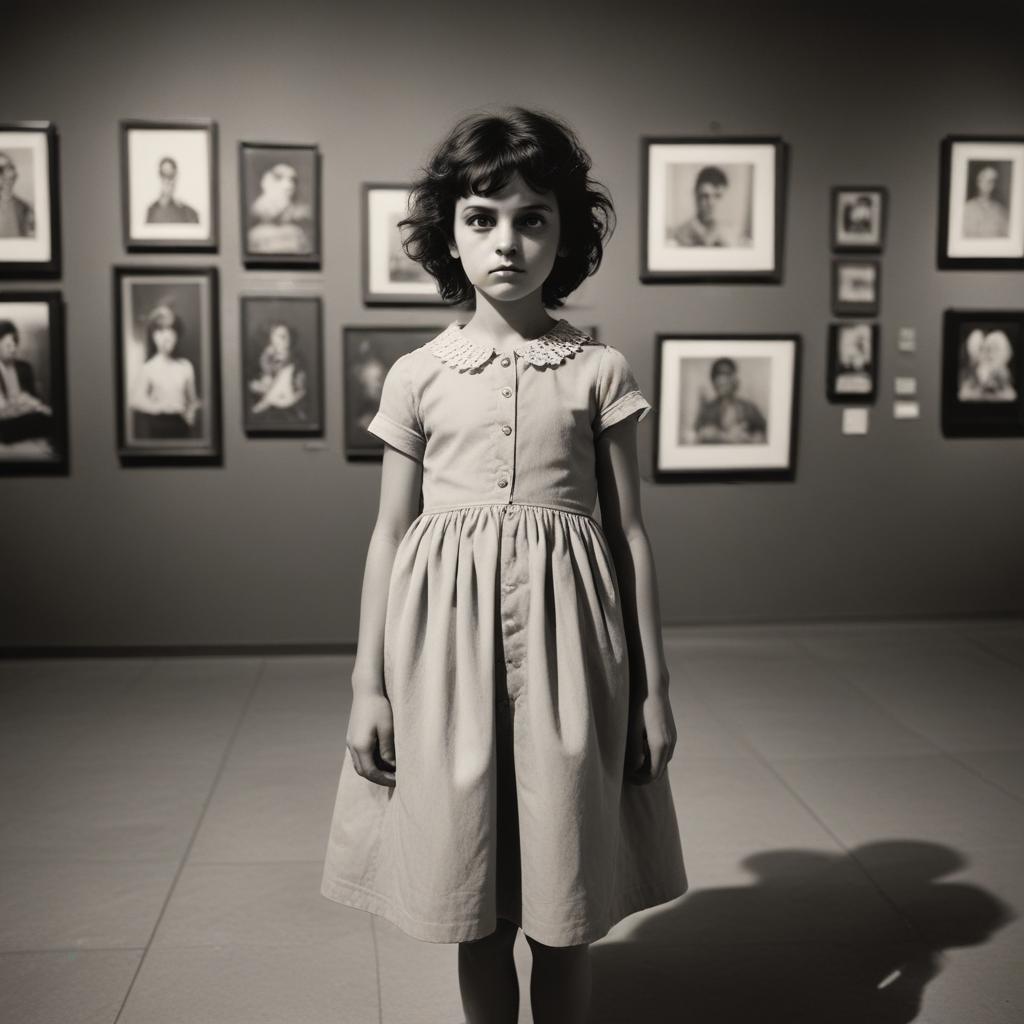
The Phoenix Art Museum's 'Muscle Memory' exhibition showcases over three dozen photographers who explore the human body as a site of contradiction, delving into themes of pleasure, pain, strength, vulnerability, and the indelible marks of life's experiences.
Photography possesses a unique power to transport us to the extremes of human experience. The Phoenix Art Museum's captivating new show, 'Muscle Memory,' features the work of over three dozen photographers, including Diane Arbus, Eadweard Muybridge, Graciela Iturbide, and Walter Iooss, aiming to explore the complex relationship we have with our bodies. Curator Emilia Mickevicius describes the body as a "site of real contradiction" – encompassing pleasure and pain, strength and vulnerability – and sought works that grapple with the condition of embodiment. The exhibition presents a visually stunning array of photos, from Walter Iooss's iconic shot of Michael Jordan and Charles Barkley to Harold Edgerton's groundbreaking 1/1,000th-second capture of a tennis serve, revealing familiar actions in a startlingly new light. Claire Warden's "camera-less" photography, such as 'No 15 (Genetics),' physically imprints her fingerprint etched with saliva onto film, creating a self-portrait imbued with her DNA and challenging notions of identity and legibility, particularly in response to questions about her mixed ancestry. Other works lean into performance art, like William Camargo's 'As Far as I Can Get' series, where he photographs himself running away from the camera, a poignant reflection on his lived experience as a brown person in urban environments. The theme of body modification is also prominent, with images of tattooed individuals, George Dureau's 'Wilbert With Hook' depicting a man with a prosthetic arm, Brian Weil's bodybuilder, Rosalind Fox Solomon's photos of her own aging body, and Lauren Greenfield's work on Y2K-era beauty standards and body image among teenage girls. Mickevicius acknowledges the potential for exploitation when photographing vulnerable subjects and emphasizes her hope that the exhibition fosters authentic moments of empathy, allowing viewers to learn about fellow human beings without judgment. Ultimately, 'Muscle Memory' highlights how photographs serve as portals into empathy and traces of a life fully lived, reflecting the idea that our bodies are powerful teachers, bearing the indelible marks of everything we endure. The exhibition is on display until June 28.