Arizona Republicans, once a dominant political force, suffered a historic 'wipeout' in the recent midterm elections, losing every statewide office and legislative control to Democrats. This article explores the party's internal reckoning, debating whether their embrace of Trumpism was 'too Maga or not Maga enough,' and the urgent need to rebuild after decades of demographic shifts and a rejection by key independent voters.
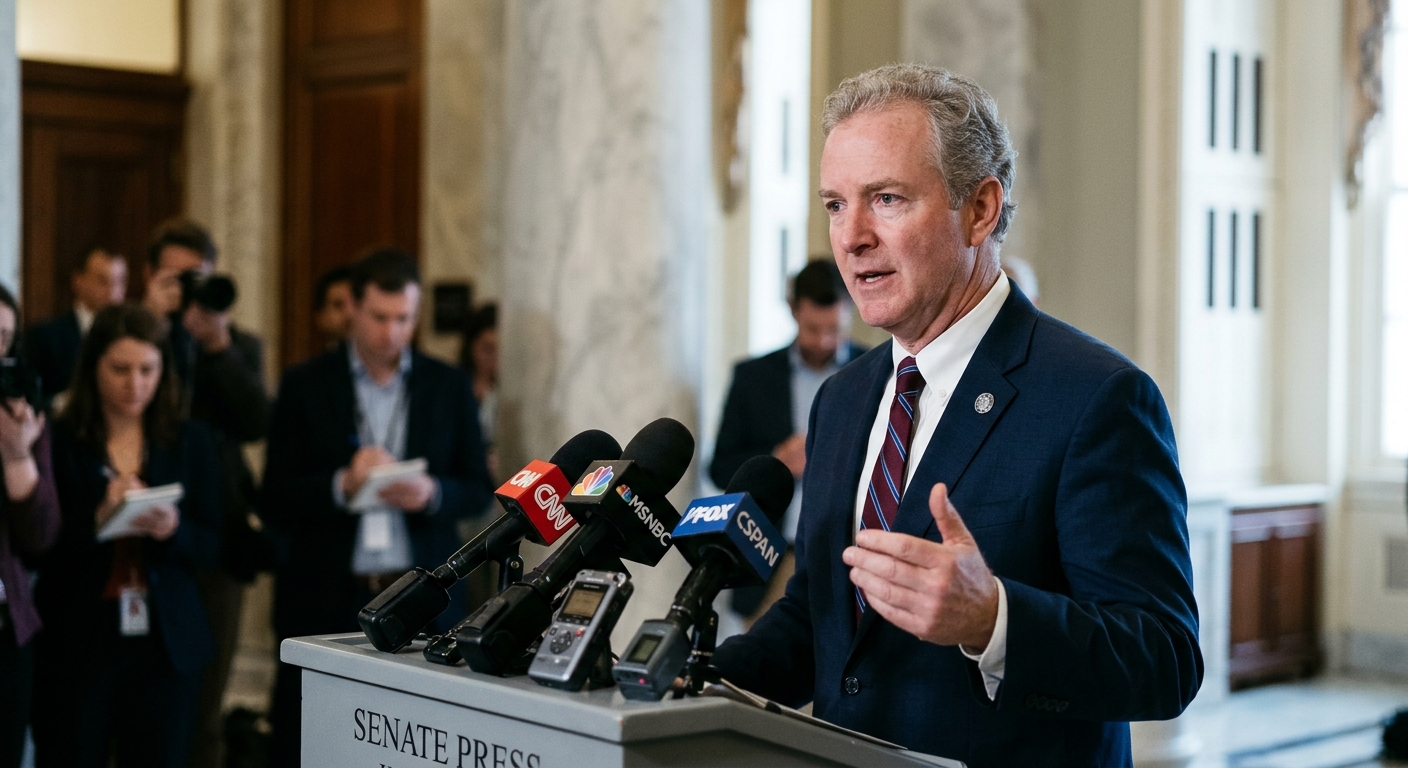
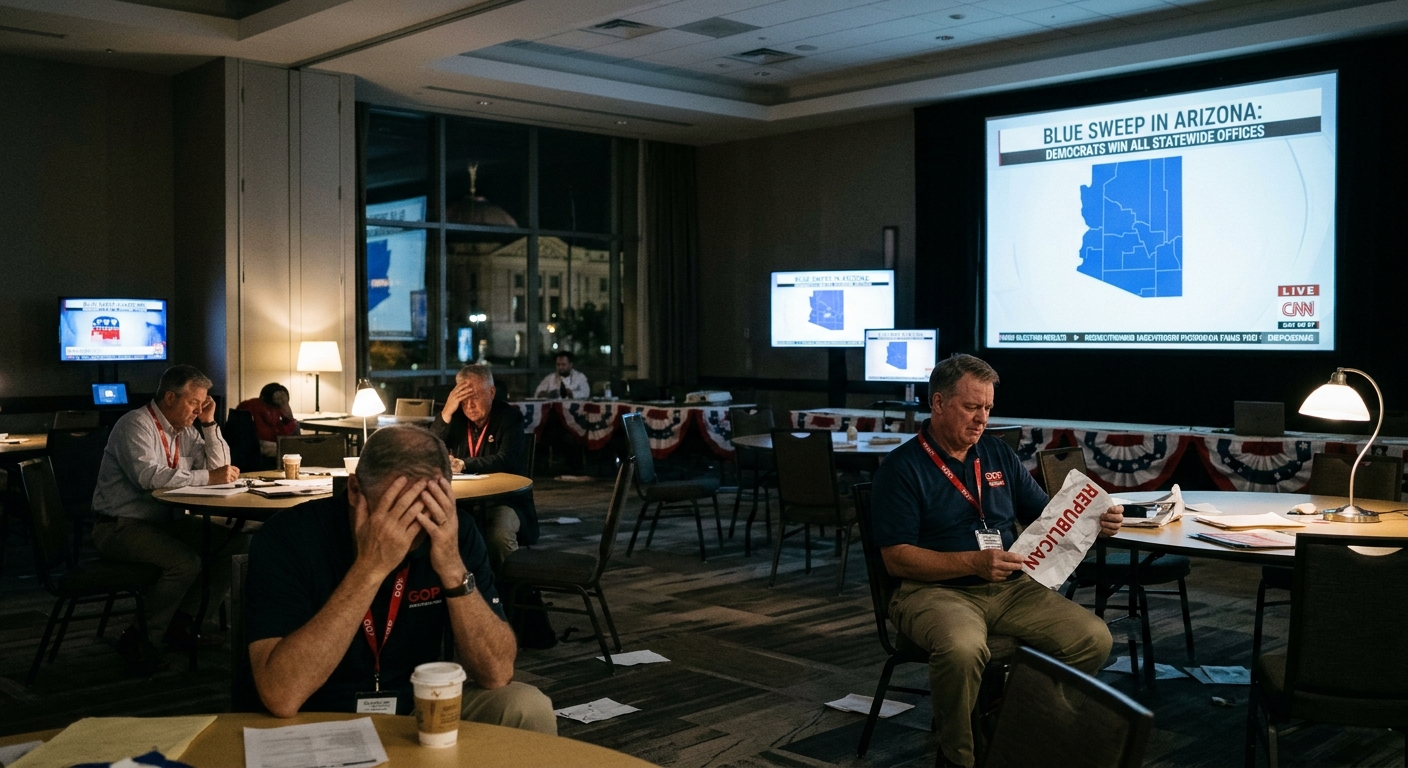
Arizona Republicans, who held every lever of statewide power in 2016, experienced a 'remarkable reversal of fortunes' in the recent midterm elections. Democrats swept every statewide office—from governor to mine inspector—and secured a legislative trifecta, a feat not seen since 1966. This collapse leaves the GOP firmly locked out of power at the state level, a stark contrast to its historical dominance as the party of Barry Goldwater and John McCain. The unprecedented losses are attributed to decades of demographic change, a population boom in Phoenix suburbs, and a rejection of Trumpism by affluent Republican and independent voters. Party insiders are now grappling with urgent questions, such as 'Were we too Maga or not Maga enough?' The article highlights several key losses, including Trump acolyte Alexander Kolodin for Secretary of State and Congressman Andy Biggs, a longtime MAGA supporter. Even a 19-year-old Democrat won a key Maricopa County clerk position, underscoring the extent of the blue wave. Many Republicans blame the party's leadership for ceding control to outside operations like Turning Point Action, whose endorsed statewide candidates all lost, and for failing to listen to voters' concerns about issues like the economy. However, there is no agreement on the path forward. Some argue the wipeout was an anomaly, believing conservative voters will return. Others point to hard-right Republicans who survived, suggesting their playbook is the way to rebuild. Turning Point's COO, Tyler Bowyer, even suggested that 'moderate' Republican candidates lost more ground. Yet, former party executive director Kurt Davis and others advocate for a return to 'retail politics,' focusing on core issues like jobs and safety, and recruiting candidates who appeal to a broader electorate, particularly the crucial independent voters who broke hard against the GOP this cycle. The decline is traced back to 2017 with the departure of traditional conservatives like Jeff Flake and John McCain, whose seats were eventually filled by Democrats. The party's subsequent embrace of Trump loyalists, including Kari Lake's scorched-earth gubernatorial campaign, ultimately led to defeat against moderate Democrat Katie Hobbs. Republicans, despite holding a significant voter-registration advantage, face a 'two-year clock' to rebuild before the 2028 election. Experts emphasize the need to end internal warfare, make room for dissent, and refocus on voter engagement and candidate recruitment to avoid prolonged 'minority status.' The state GOP chair has pledged to 'take a hard look at what worked, what didn't and what we need to do better,' as the party navigates its post-Trump future without established political machinery.