Discover how Luiz Inácio Lula da Silva, initially digitally disengaged, orchestrated a stunning electoral comeback in Brazil by harnessing a massive, grassroots social media 'army' that transformed his campaign's digital strategy and countered his opponent's online dominance.
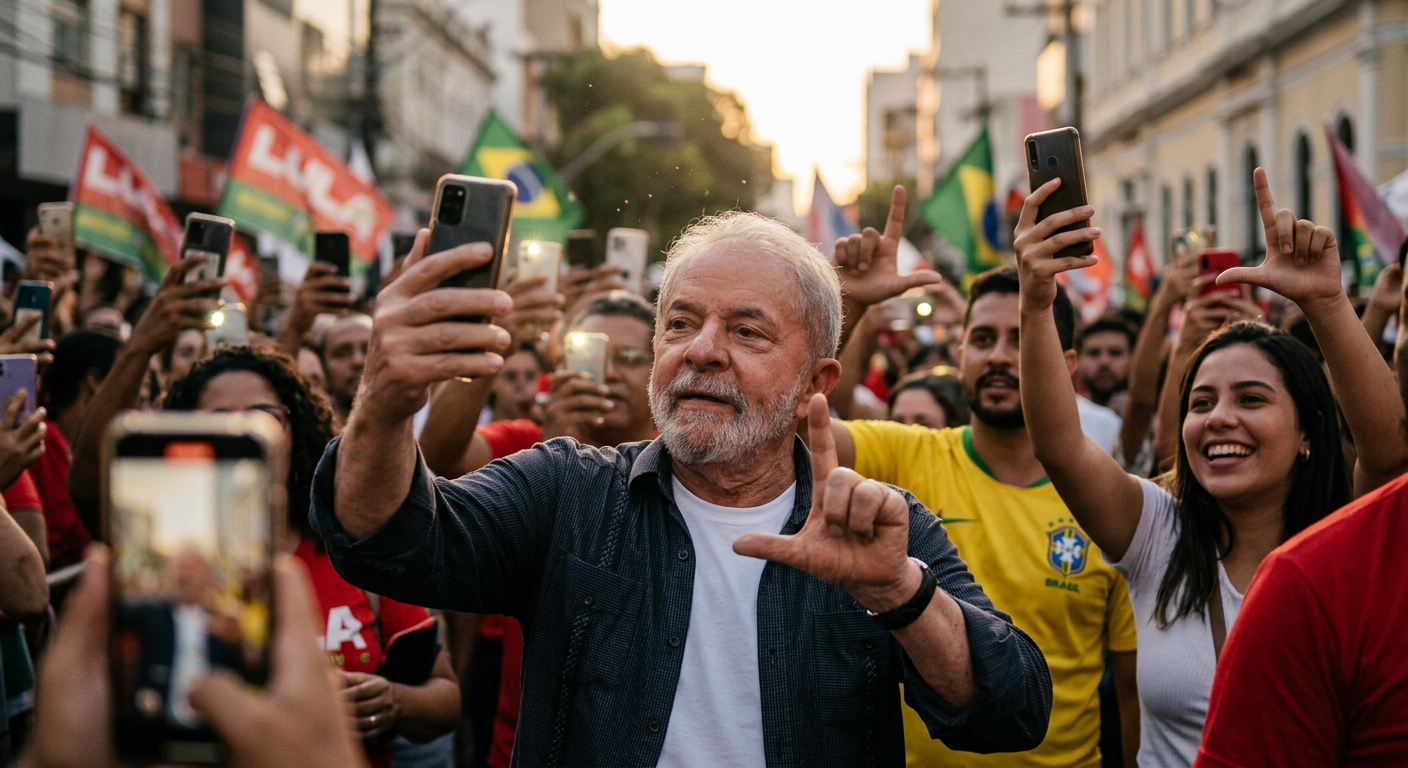
Luiz Inácio Lula da Silva, Brazil's president, secured a stunning electoral comeback after a crucial shift in his digital strategy, catalyzed by an unexpected first-round defeat. Initially resistant to smartphones and relying on aides' devices, Lula, at 81, realized he was losing the digital battle against far-right senator Flávio Bolsonaro. His campaign then embraced a new approach, including selfie-style videos, but the true driving force was a grassroots WhatsApp group dubbed 'Lula's Army.' Led by Congressman André Janones, whom Lula praised as 'our general,' this 'army' swelled from 60,000 to nearly 11 million followers. Members received daily 'missions' to boost pro-Lula content and win over voters, effectively countering Bolsonaro's superior online engagement. Tactics included encouraging supporters to make an 'L' sign with their fingers while wearing the national yellow football shirt – a symbol previously appropriated by Bolsonaro's camp – and creating viral 'soldier' certificates to foster community. Young politicians like Ana Elisa Santos also played a role, persuading Lula to adopt new video formats. Janones even incentivized Lula to get his first smartphone by promising he'd join the 'army' if it hit 5 million followers. Analysts credit this reinvention of social media use as a key factor in Lula's victory by over 4.4 million votes. While the intense commitment of the 'army' may be hard to sustain, Janones believes it can continue to play a vital role in supporting Lula's governance, especially in legislative efforts.