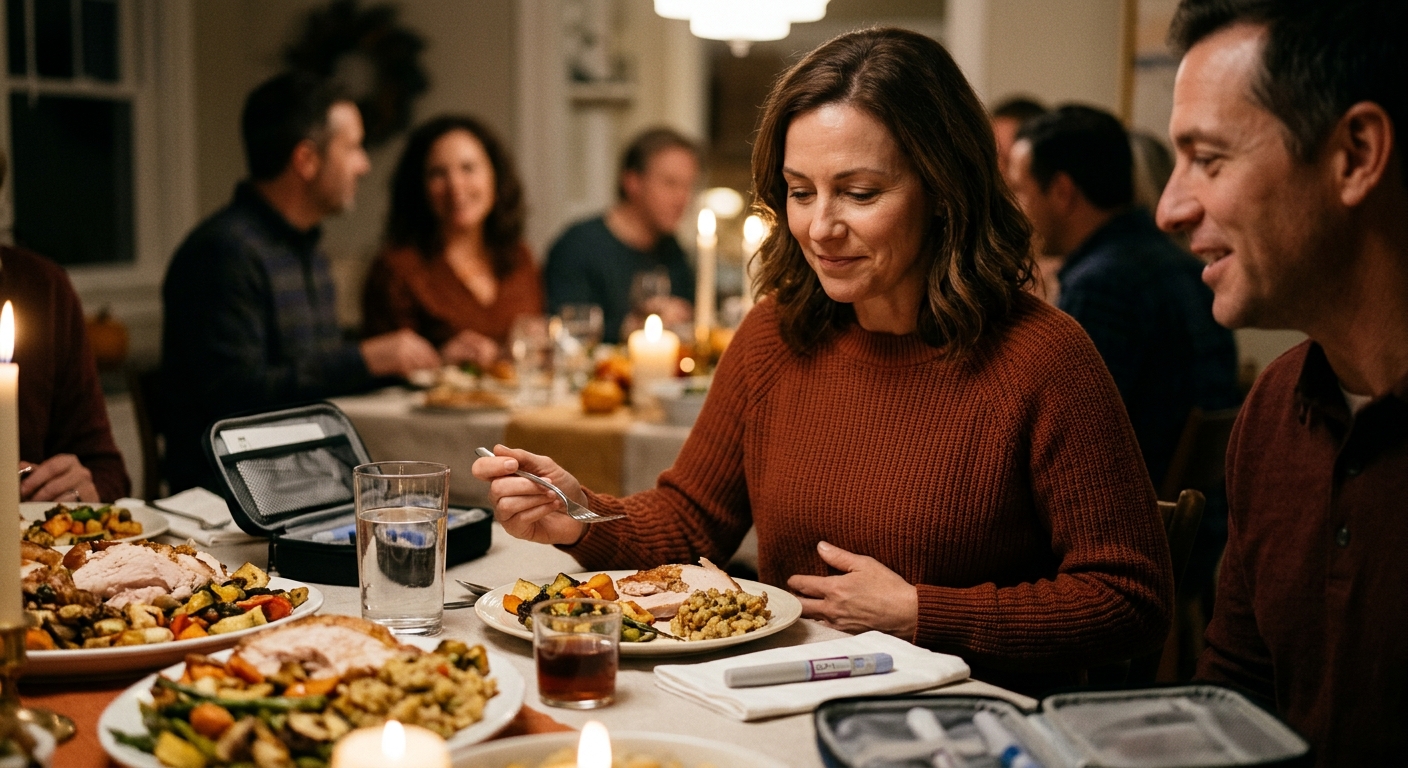
Thanksgiving feasts often lead to increased food poisoning outbreaks. Learn essential food safety tips from experts to prevent illness, covering safe turkey handling, proper cooking temperatures, avoiding the temperature danger zone, and crucial kitchen hygiene for a safe holiday meal.
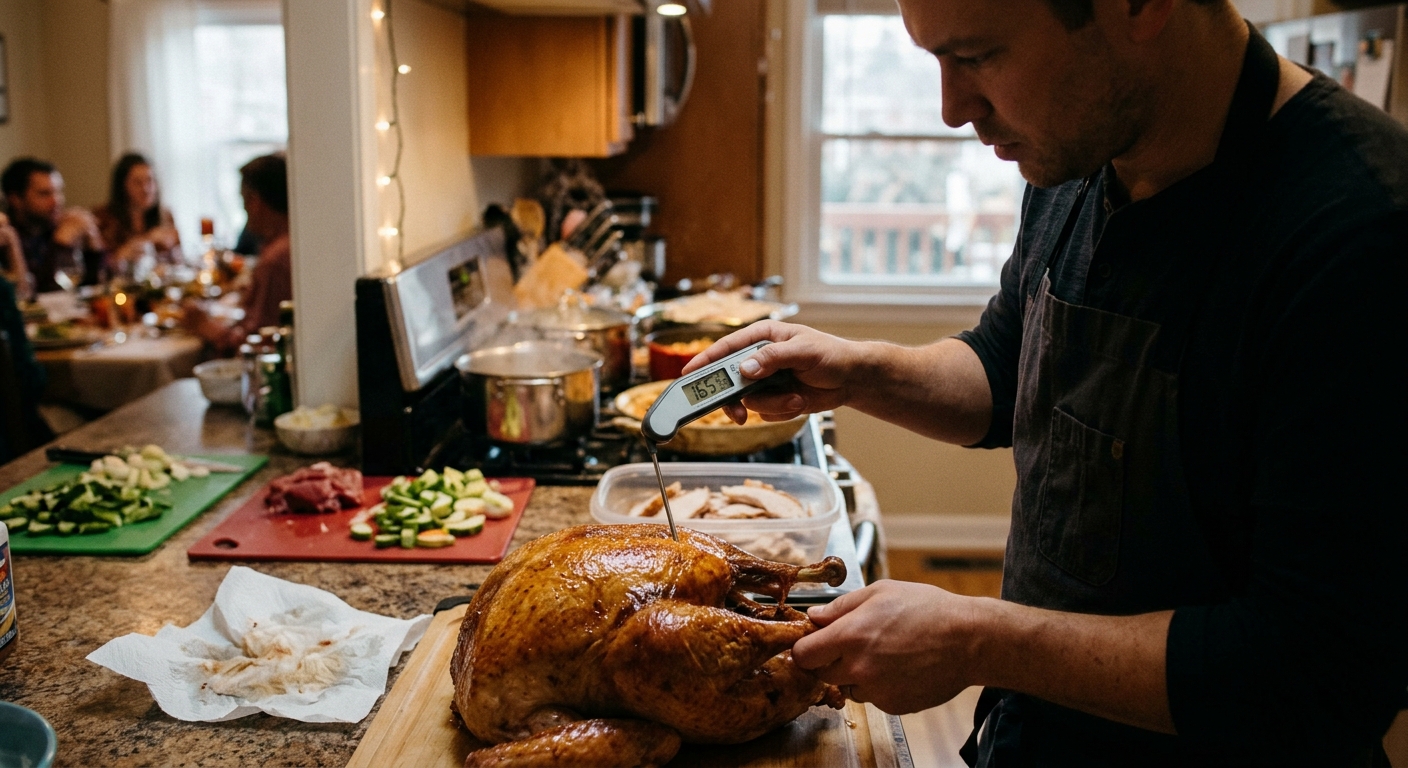
As families gather for Thanksgiving, outbreaks of food poisoning rise, often due to occasional cooks managing complex multi-dish feasts. Food science experts Donald Schaffner and Benjamin Chapman highlight critical mistakes and offer solutions to ensure a safe holiday meal. Raw turkey can harbor dangerous bacteria like salmonella and campylobacter, requiring careful handling. Accepted thawing methods include the refrigerator (24 hours per 4-5 pounds), microwave, or cold running water, with immediate cooking necessary if using the latter two. Crucially, never wash raw turkey, as it spreads contamination; instead, pat it dry with paper towels. Turkey must reach an internal temperature of 165°F (73.8°C), measured with a tip-sensitive digital thermometer in the innermost thigh, not relying on pop-up indicators, skin color, or juice clarity. Beyond the turkey, managing other dishes is vital. Avoid the 'danger zone' between 40°F and 140°F (4°C and 60°C) where bacteria thrive. Keep hot foods hot and cold foods cold, and refrigerate leftovers promptly within two hours. Dense foods like sliced turkey or gravy should be stored in shallow containers (no more than 2 inches deep) to cool quickly. Finally, scrupulous kitchen hygiene is paramount: wash hands thoroughly, use separate cutting boards and utensils for raw meat and fresh produce, and always clean surfaces with soap and water before sanitizing them with a disinfectant.