This article explores the rising trend of extended career breaks—from mini-sabbaticals to adult gap years—as a powerful tool for mental, physical, and spiritual rejuvenation. It addresses common barriers like cost and societal judgment, offering insights into how individuals fund these breaks and the profound personal and professional benefits they yield beyond traditional academic leaves.
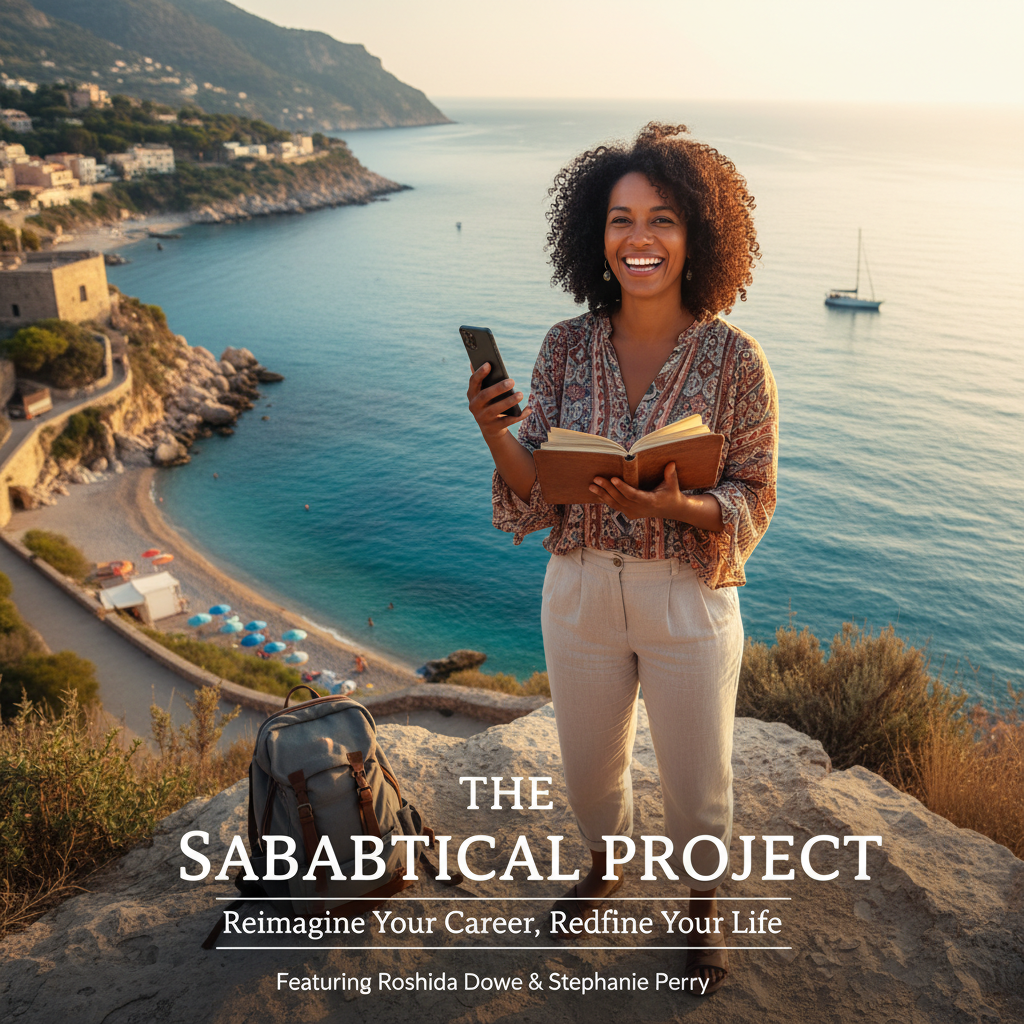
Many dream of a break from work, but some pursue extended career breaks like mini-sabbaticals, adult gap years, or micro-retirements for a substantial reset. These breaks, whether employer-approved or self-funded, aim for mental, physical, or spiritual rejuvenation. Obstacles include cost, personal responsibilities, and fear of judgment, but American attitudes are evolving. Unlike Europe, where time off is prioritized, U.S. companies are slowly recognizing extended leaves as a way to retain talent, though paid sabbaticals remain uncommon. The Sabbatical Project, co-founded by Harvard Business School's DJ DiDonna and supported by researcher Kira Schrabram, promotes sabbaticals as a 'sacred human ritual.' Their research identified three types: working holidays for passion projects, 'free dives' combining adventure and rest, and 'quests' for burned-out individuals seeking profound life changes. Crucially, over half of interviewees self-funded their breaks, highlighting that employer sponsorship isn't always necessary. Inspiring examples include Roshida Dowe, who turned a layoff into a year of travel and now coaches others, and Stephanie Perry, who found a calling in budget travel coaching after a transformative trip. They co-founded ExodUS Summit, a virtual conference for Black women exploring sabbaticals. Creative funding methods like housesitting, staying with friends, and community sponsorship are highlighted. Financial planner Taylor Anderson advises on saving for sabbaticals, noting that the cost is often less than perceived, and many people hesitate to spend their saved money. Taking such breaks involves risks like trusting others with responsibilities but offers significant rewards, including fresh perspectives and a re-evaluation of life priorities, as experienced by artists Eric Rewitzer and Annie Galvin. For some, like Gregory Du Bois, mini-sabbaticals become a negotiated 'way of life' for continuous spiritual regeneration.